




What's Happening?
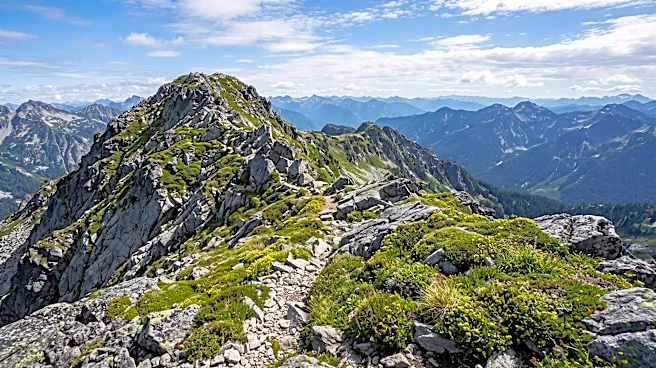
A recent study utilizing Landsat satellite imagery from 1984 to 2024 has revealed a significant greening trend in the alpine zones of the Northeast U.S. and Canada. These areas, located above the tree line in mountains stretching from New York's Adirondacks
to Quebec's Gaspé Peninsula, are critical biodiversity hotspots for rare flowering plants. The research, published in Ecosphere, indicates that 69% of the studied alpine zones, representing 88% of the total alpine area in the region, have experienced substantial increases in vegetation. This greening is particularly evident in areas like New Hampshire's Presidential Range and Maine's Katahdin, with increased growth observed among cliff plants, cushion-tussock, and sedge meadows. While increased vegetation might seem positive, co-authors of the study caution that this accelerated growth could lead to more aggressive flora outcompeting and crowding out rare alpine plant species. The study attributes these changes to a combination of factors including climate change, rising temperatures, declining snow cover, atmospheric nutrient deposition, and high-impact outdoor recreation.
Why It's Important?
The greening of alpine peaks in the Northeast U.S. signifies a tangible and concerning impact of climate change on sensitive ecosystems. These alpine zones are unique habitats for rare and specialized plant species that have adapted to harsh, high-altitude conditions. The observed shift towards increased vegetation, particularly the potential for more aggressive plants to dominate, threatens the delicate balance of these biodiversity hotspots. This ecological alteration could lead to a loss of unique alpine flora, impacting the overall biodiversity of the region. Furthermore, the study highlights how human activities, such as atmospheric nutrient deposition from power plant emissions and outdoor recreation, contribute to these environmental changes. Understanding these dynamics is crucial for land managers and conservationists in developing effective strategies to protect these vulnerable ecosystems from further degradation and to mitigate the long-term effects of climate change on U.S. natural landscapes.
What's Next?
The findings of this study are expected to inform future land and ecological management and stewardship practices across the northern Appalachian region. Researchers and environmental organizations, such as the Appalachian Mountain Club, will likely use this data to develop targeted conservation efforts. This could include implementing stricter regulations on atmospheric emissions, managing recreational access to sensitive alpine areas to prevent the introduction of invasive species, and potentially exploring interventions to protect rare plant populations from being outcompeted. Continued monitoring through satellite imagery and on-the-ground fieldwork will be essential to track the progression of greening and its ecological consequences. The study also underscores the need for ongoing research into the complex interplay of climate warming, wind patterns, and nutrient deposition to better predict and address future changes in these critical alpine environments.
Beyond the Headlines
The greening of alpine zones in the Northeast U.S. presents a deeper ethical and ecological challenge. It forces a re-evaluation of what constitutes 'health' in an ecosystem, as increased vegetation, often perceived as positive, can paradoxically lead to a decline in biodiversity when it involves the displacement of rare species. This phenomenon highlights the subtle and often counterintuitive ways climate change manifests, moving beyond simple warming to complex ecological restructuring. The study also touches upon the legacy of past industrial activities, such as nitrogen deposition from power plants, demonstrating how environmental impacts can linger and interact with current climate trends to produce unforeseen outcomes. This long-term ecological shift could redefine the characteristic landscapes of the U.S. Northeast, altering not only its natural heritage but also the cultural and recreational experiences associated with these iconic mountain ranges.