






What's Happening?
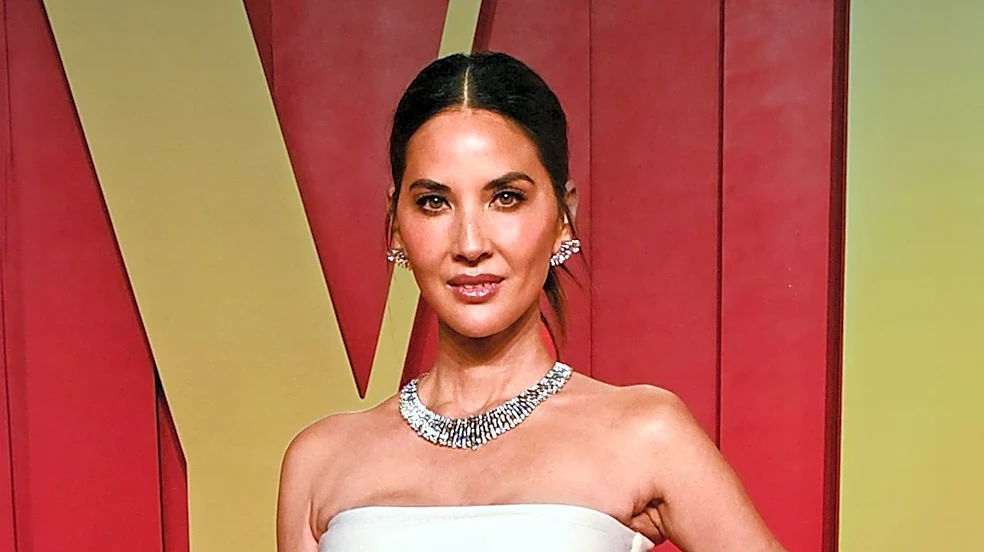
Actress Olivia Munn is actively advocating for legislation that would integrate the Breast Cancer Risk Assessment Tool (BCRAT), also known as the Gail Model, into standard medical care for all female patients. This initiative comes after Munn's own breast
cancer diagnosis in 2023, which was detected through the BCRAT despite clear mammograms and ultrasounds. Her mother was subsequently diagnosed with Stage 1 HER2-positive breast cancer a year later, also identified due to a high BCRAT score. Munn shared her personal journey and the advice she received from Michael Strahan on 'Good Morning America' during Breast Cancer Awareness Month. She emphasized the difference between being a cancer patient and a caregiver, drawing parallels to Strahan's experience with his daughter's cancer battle. Munn and Senator Mark Kelly (D-Ariz.) are set to introduce a bill in November to push for this change in healthcare protocols.
Why It's Important?
The proposed legislation to make the Breast Cancer Risk Assessment Tool a standard part of medical examinations holds significant importance for public health in the U.S. Currently, many breast cancer cases, like Munn's and her mother's, are missed by traditional screening methods such as mammograms and ultrasounds. By mandating the BCRAT, the bill aims to identify individuals at higher risk earlier, potentially leading to earlier detection and improved treatment outcomes. This could reduce the emotional and financial burden on patients and the healthcare system by catching cancer at more treatable stages. The initiative also highlights the critical role of patient advocacy in shaping public health policy, as Munn's personal story brings a powerful human element to the legislative effort. If successful, this could set a precedent for integrating more comprehensive risk assessment tools into routine medical care across various health conditions.
What's Next?
Olivia Munn and Senator Mark Kelly (D-Ariz.) are scheduled to introduce a bill in November that aims to make the Breast Cancer Risk Assessment Tool (BCRAT) a standard part of medical care for all female patients. Following the bill's introduction, it will proceed through the legislative process, which will likely involve committee hearings, debates, and votes in Congress. Advocacy groups, medical professionals, and public health organizations are expected to weigh in, providing testimony and lobbying for its passage. The success of the bill will depend on bipartisan support and public awareness campaigns, which Munn's continued media appearances are designed to foster. If passed, healthcare providers would need to implement new protocols for risk assessment, potentially requiring training and adjustments to electronic health record systems. The long-term goal is to significantly improve early breast cancer detection rates nationwide.
Beyond the Headlines
The push for mandatory breast cancer risk assessment extends beyond immediate health benefits, touching upon broader ethical and societal implications. Implementing the BCRAT as a standard could lead to a more proactive, personalized approach to healthcare, shifting from reactive treatment to preventative screening based on individual risk profiles. This raises questions about data privacy and how sensitive health information, particularly genetic predispositions, will be managed and protected. Furthermore, the initiative could highlight disparities in healthcare access and quality, as ensuring equitable access to these advanced screening tools across all socioeconomic groups will be crucial. The success of this legislation could also empower patients by providing them with more comprehensive information about their health risks, fostering greater engagement in their own medical care and potentially influencing how other preventative health measures are integrated into routine practice.