







What's Happening?
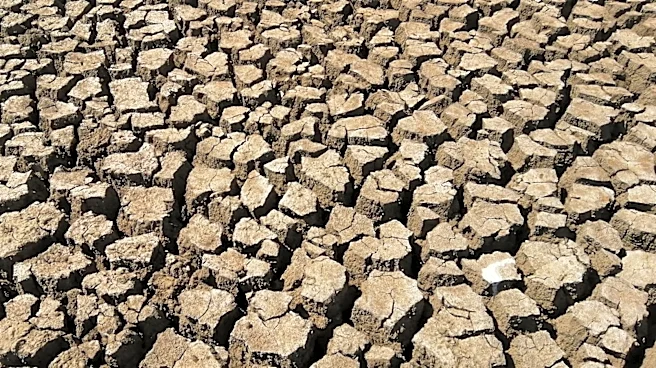
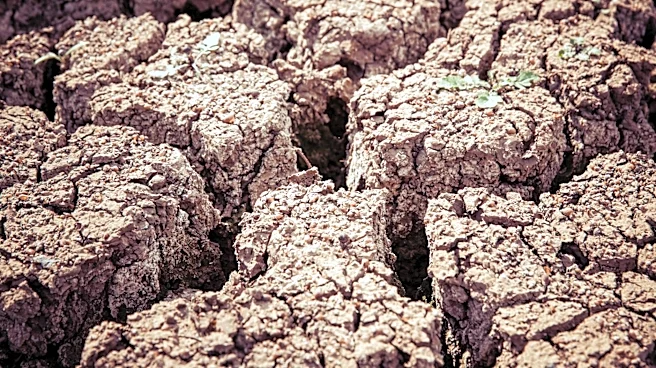
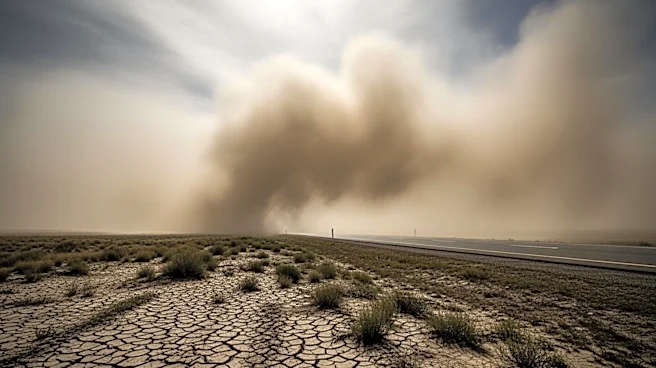
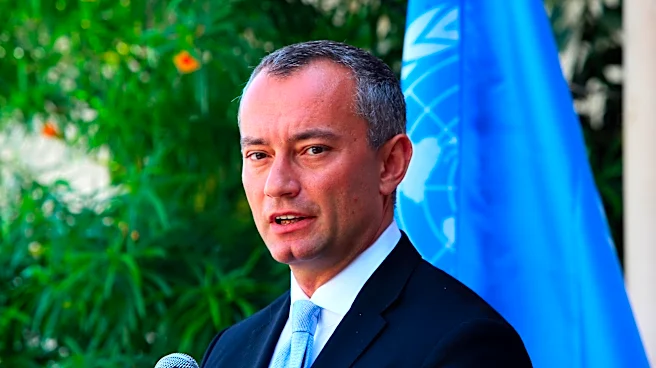
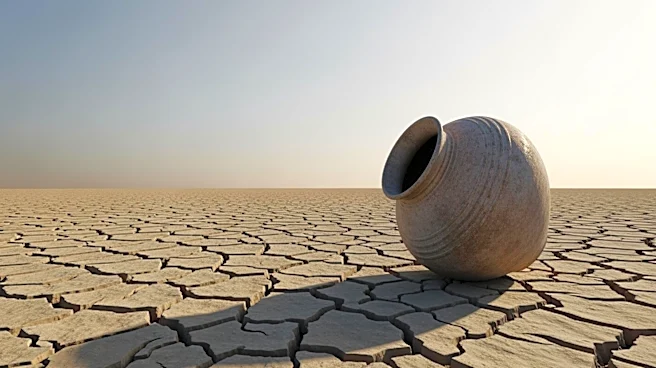
The United Nations Development Programme (UNDP) and other aid organizations are calling for an urgent response from international donors to address the severe drought crisis in Somalia. The drought, described as the worst on record for the country, has
left 6 million people facing food insecurity. This situation is exacerbated by a significant reduction in aid funding, which has dropped to $531 million in 2025, a stark decrease from the $2.38 billion provided in 2022. The reduction in aid is largely attributed to cuts by major donors, including the United States. The drought has led to widespread hunger, with children beginning to die from malnutrition. Aid agencies are struggling to meet the needs of the affected population, and the outlook remains deeply concerning without a substantial increase in donor support.
Why It's Important?
The drought in Somalia highlights the critical need for sustained international aid to prevent a humanitarian catastrophe. The reduction in aid funding, particularly from the United States, poses a significant threat to the survival of millions of Somalis. The crisis underscores the vulnerability of countries like Somalia to climate shocks and the importance of global cooperation in addressing such challenges. The situation also raises concerns about the long-term impacts of climate change on food security and the ability of international organizations to respond effectively to recurring natural disasters. The lack of adequate funding not only affects immediate relief efforts but also hampers long-term recovery and development initiatives in the region.
What's Next?
Without a significant increase in donor funding, the humanitarian situation in Somalia is expected to deteriorate further. Aid organizations are likely to continue advocating for international support, emphasizing the urgent need for resources to prevent further loss of life. The Somali government and international partners may need to explore alternative funding mechanisms and strategies to address the crisis. Additionally, there may be increased pressure on donor countries to reassess their aid priorities and commitments in light of the growing humanitarian needs in Somalia and other vulnerable regions.
Beyond the Headlines
The drought in Somalia serves as a stark reminder of the broader implications of climate change and the need for comprehensive strategies to build resilience in vulnerable communities. The crisis also highlights the ethical responsibility of wealthier nations to support those most affected by climate-related disasters. Furthermore, the situation in Somalia may prompt discussions on the effectiveness of current aid models and the need for more sustainable and equitable approaches to international development and humanitarian assistance.