





What's Happening?
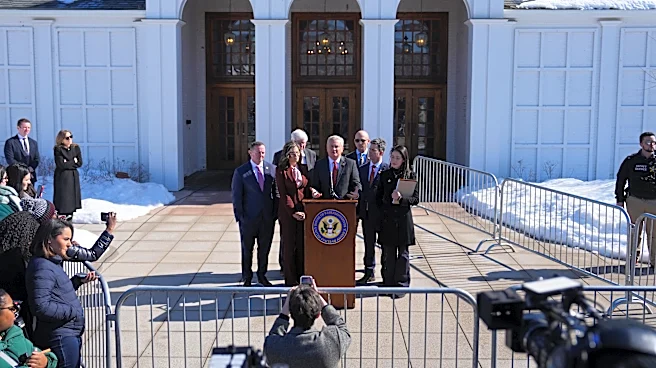
The New York State Energy Research and Development Authority (NYSERDA) and the Danish Ministry of Climate, Energy and Utilities have announced an expanded cooperative agreement to advance renewable energy and energy efficiency solutions. This new agreement,
unveiled at the 2026 United Nations Climate Change Conference (COP31) in Antalya, Türkiye, builds upon a collaboration initiated in 2018. The partnership aims to facilitate coordination and planning for long-term energy system flexibility in both New York State and Denmark. Key areas of focus include thermal energy networks, energy efficiency, demand flexibility, decarbonization, and innovative advanced fuels. NYSERDA President and CEO Doreen M. Harris highlighted the nearly decade-long effort to explore and develop innovative technologies supporting New York State’s energy transition. Denmark’s Climate Ambassador Mr. Ole Thonke emphasized the strengthening of a vital transatlantic bridge through this expanded agreement, demonstrating how shared ambitions can lead to tangible progress.
Why It's Important?
This expanded agreement is crucial for New York State's clean energy goals, particularly under Governor Hochul’s leadership, as it seeks to reduce reliance on fossil fuels and create a sustainable and affordable energy future. By collaborating with Denmark, a leader in renewable energy, New York gains access to advanced expertise and best practices in areas like thermal energy networks, which connect multiple buildings for clean heating and cooling, and innovative fuels for hard-to-electrify sectors. This partnership supports New York's 'Clean, Highly Affordable, Reliable Grid Expansion (CHARGE)' agenda, which aims to achieve a zero-emission grid while keeping costs down for consumers. The exchange of knowledge and strategies can accelerate the deployment of clean energy technologies, foster economic growth, and create jobs within the state. The agreement also underscores the importance of international cooperation in addressing climate change and transitioning to a greener economy, providing a model for other states and nations.
What's Next?
The expanded cooperative agreement will lead to further exploration and implementation of strategies in thermal energy networks, energy efficiency, demand flexibility, and innovative fuels. Specific areas of focus include assessing the viability and benefits of district heating in New York, developing regulatory frameworks for increased adoption of energy efficiency technologies across various sectors, and sharing best practices for accelerating the production and deployment of bio-based and alternative fuels. The collaboration will also involve sharing fuel system planning approaches to facilitate the transition away from fossil fuels while ensuring reliable energy services. This ongoing partnership is expected to inform new clean energy and energy efficiency strategies, contributing to New York's ambitious climate and decarbonization goals and potentially influencing broader U.S. energy policy through successful demonstration.
Beyond the Headlines
The collaboration between NYSERDA and the Danish Energy Ministry represents more than just a technical exchange; it signifies a deeper commitment to global climate action and the recognition that energy transitions require international cooperation. This partnership highlights the ethical imperative to address climate change through shared innovation and resource pooling. It also underscores a cultural shift towards viewing energy as a shared responsibility, moving beyond national borders to tackle a universal challenge. The long-term implications could include the establishment of more robust international frameworks for clean energy development, influencing global standards and accelerating the adoption of sustainable practices worldwide. This model of bilateral cooperation could inspire other regions to form similar alliances, fostering a more interconnected and resilient global energy landscape.