




What's Happening?
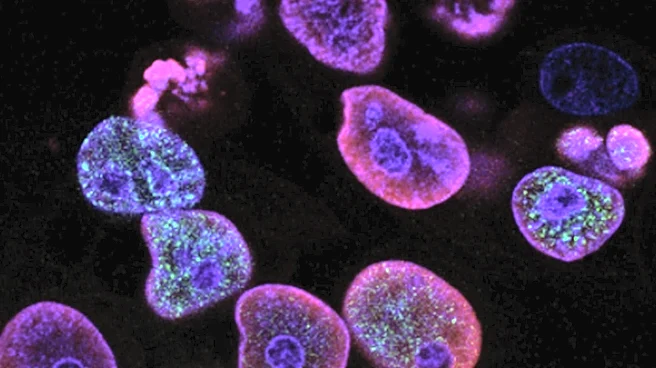
Scientists have successfully created the first viruses designed by artificial intelligence, marking a significant advancement in synthetic biology. This development, while impressive, raises concerns about the potential misuse of AI in designing harmful
pathogens. Experts emphasize the need for stringent controls on genetic data access and genome synthesis to prevent the creation of dangerous viruses. The focus is on implementing a layered governance approach, including model development safeguards, synthesis screening, and established biosafety protocols, to mitigate risks associated with AI-designed viruses.
Why It's Important?
The ability to design viruses using AI could revolutionize fields such as medicine and biotechnology, offering new ways to combat diseases. However, it also poses significant biosecurity risks, as the technology could be exploited to create bioweapons. The development underscores the urgent need for international collaboration and regulation to ensure that advancements in synthetic biology are used responsibly. The balance between innovation and security will be critical in shaping the future of this emerging field.
Beyond the Headlines
The ethical implications of AI-designed viruses extend beyond immediate security concerns. The technology challenges existing frameworks for bioethics and raises questions about the moral responsibilities of scientists and policymakers. As AI continues to advance, society must grapple with the potential for unintended consequences and the need for robust oversight mechanisms. The dialogue around AI in synthetic biology will likely influence broader discussions on the role of technology in society.