







What's Happening?
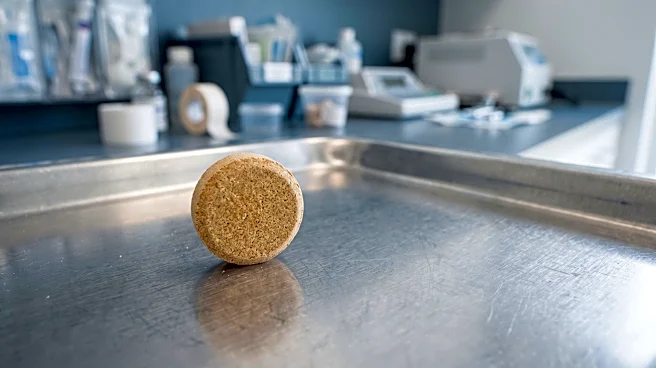
The U.S. Food and Drug Administration (FDA) has authorized the emergency use of Bravecto chewable tablets for treating New World screwworm infestations in dogs and puppies. This authorization comes as Arizona has confirmed five cases of the parasitic
fly in animals, specifically two horses, two dogs, and one sheep, located in the eastern and southeastern parts of the state. No cases have been reported in Yuma. New World screwworm larvae feed on living tissue, causing severe wounds that can be fatal if left untreated. While Bravecto is already approved for flea and tick control, it has not received full FDA approval for screwworm treatment. Merck Animal Health, the manufacturer, expects the emergency-authorized chews to be available to veterinarians in early 2027. Pet owners are advised to consult their veterinarians immediately if they suspect an infestation, looking for signs like visible maggots or foul-smelling wounds. California has also implemented new entry requirements for pets from affected states, including a veterinary inspection and an electronic certificate with a screwworm statement.
Why It's Important?
The emergency authorization of Bravecto highlights the escalating concern over the spread of New World screwworm in the U.S. The presence of these parasites in Arizona, following earlier reports in Texas and New Mexico, indicates a widening geographical threat to domestic animals and potentially wildlife. This development is crucial for pet owners and the veterinary community, as it provides a specific, federally recognized treatment option for dogs, which are vulnerable to infestation, especially those with outdoor access in rural areas. The potential for serious wounds and fatalities underscores the urgency of effective treatment and prevention. Furthermore, the new entry requirements imposed by California reflect a broader concern among states to prevent further dissemination of the parasite, impacting interstate pet travel and requiring increased vigilance from animal owners and transporters. The situation also signals a potential economic impact on livestock industries if the spread continues unchecked, necessitating a coordinated response from federal and state agricultural and health agencies.
What's Next?
Veterinarians are expected to receive updated guidance as the situation evolves, and the emergency-authorized Bravecto chewable tablets are anticipated to be available in early 2027. Pet owners in affected or at-risk areas will need to remain vigilant, monitoring their animals for any signs of screwworm infestation and seeking immediate veterinary care if suspected. The implementation of stricter entry requirements for pets in states like California suggests that other states might follow suit, potentially leading to more widespread regulations for animal movement. Federal and state agricultural agencies will likely continue to monitor the spread of the screwworm, potentially expanding surveillance efforts and public awareness campaigns. The effectiveness of the emergency treatment and the broader control measures will be critical in determining the future trajectory of the outbreak and whether additional interventions, such as those involving sterile insect techniques, will need to be intensified or expanded.
Beyond the Headlines
The re-emergence and spread of the New World screwworm in the U.S. underscore the persistent challenges of managing invasive species and parasitic threats, even those previously eradicated. This situation highlights the interconnectedness of animal health, public health, and agricultural economies. The reliance on emergency authorizations for treatments points to the reactive nature of some responses to biological threats, emphasizing the need for proactive surveillance and research into novel control methods. The potential impact on wildlife, as noted by conservationists, adds another layer of complexity, as infestations in wild populations are harder to detect and treat, potentially creating reservoirs for re-infestation of domestic animals. This event also brings to light the importance of international cooperation in disease control, as the screwworm is common in the Caribbean and Central America, suggesting that cross-border animal movements and environmental factors play a significant role in its reintroduction and spread.