

What's Happening?
San Francisco Mayor Daniel Lurie and Supervisor Jackie Fielder have unveiled a $12.25 million initiative aimed at improving public safety and expanding community services around the 16th and 24th Street BART stations in the Mission District. The plan
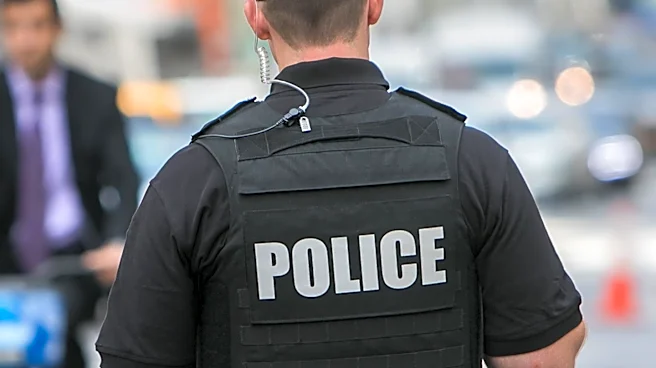
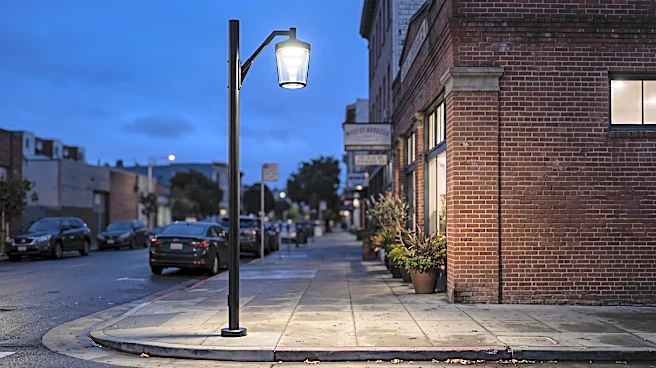
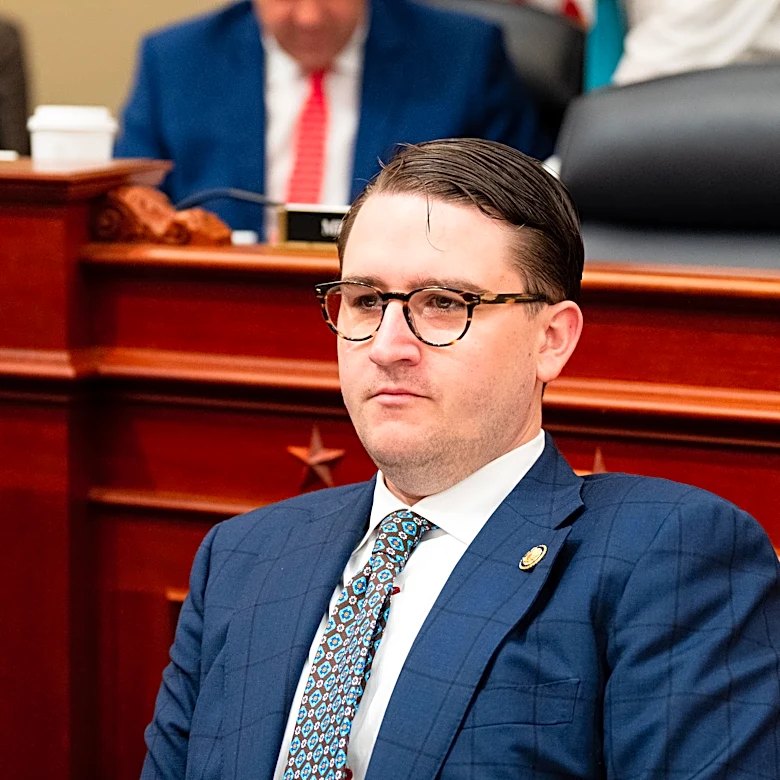
includes increased police patrols by the San Francisco Police Department and sheriff's deputies, along with a 60-day deployment of 16 California Highway Patrol officers citywide. Funding for this initiative comprises $9.25 million from the philanthropic organization Crankstart and $3 million in state funding secured by Assemblymember Jesse Gabriel. The investment will also support expanded civilian ambassador coverage, improved lighting, public safety technology, and upgrades around Marshall Elementary School, including fencing, murals, landscaping, and a dedicated Spanish-speaking community ambassador. Residents have expressed concerns that increased enforcement might displace illegal activities to residential side streets, a concern Mayor Lurie acknowledged, stating the community deserves concrete steps that make a real difference.
Why It's Important?
This significant investment underscores San Francisco's commitment to addressing persistent public safety concerns in key transit areas, directly impacting the daily lives of residents and commuters. The combination of increased law enforcement presence and community-focused services aims to create a more secure environment, potentially boosting public confidence in the city's ability to manage urban challenges. For businesses in the Mission District, enhanced safety could lead to increased foot traffic and economic activity, while families and students around Marshall Elementary School stand to benefit from a safer school environment. However, the plan also highlights the ongoing tension between enforcement and addressing the root causes of street disorder, a critical debate in urban policy. The involvement of both public and private funding sources demonstrates a collaborative approach to complex urban issues, setting a precedent for future initiatives.
What's Next?
The increased law enforcement presence, including SFPD officers, sheriff's deputies, and California Highway Patrol officers, is being implemented immediately. Other improvements, such as lighting upgrades and expanded ambassador coverage, are expected to take a few months as the city processes grant applications and begins implementation. City leaders will need to closely monitor the effectiveness of these measures, particularly regarding the concern that increased enforcement might simply shift problems to other areas. Continued engagement with community members and businesses will be crucial to ensure the plan addresses their needs and concerns effectively. The long-term success of the initiative will likely depend on how well enforcement is integrated with social services designed to tackle underlying issues contributing to street disorder.
Beyond the Headlines
The San Francisco initiative reflects a broader national discussion on urban safety, the role of law enforcement, and the efficacy of various intervention strategies. The plan's dual approach of increased policing and community investment attempts to balance immediate security needs with long-term social improvements. The philanthropic contribution from Crankstart highlights the growing role of private sector funding in addressing public challenges, potentially influencing how other cities finance similar projects. The concerns raised by residents about displacement of issues underscore the complex, interconnected nature of urban problems, suggesting that comprehensive solutions must consider the entire urban ecosystem rather than isolated trouble spots. This situation also brings to light the ongoing debate about whether enforcement alone can create lasting change without robust social services addressing the root causes of crime and disorder.