


What's Happening?
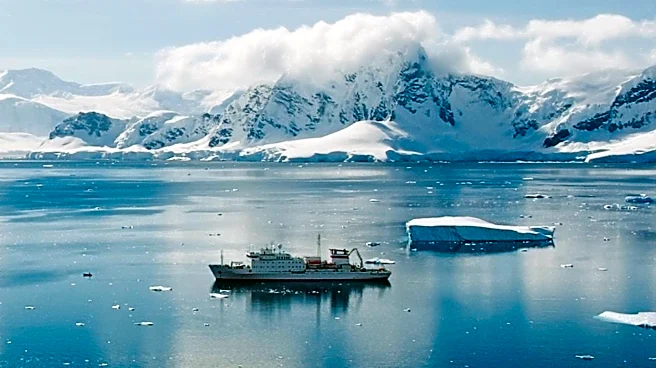
Climate change is causing a dramatic ecological reorganization in the Greenland Sea, leading to an unprecedented surge in baleen whale populations, including fin, humpback, and common minke whales, along the East Greenland coast. Rising water temperatures,
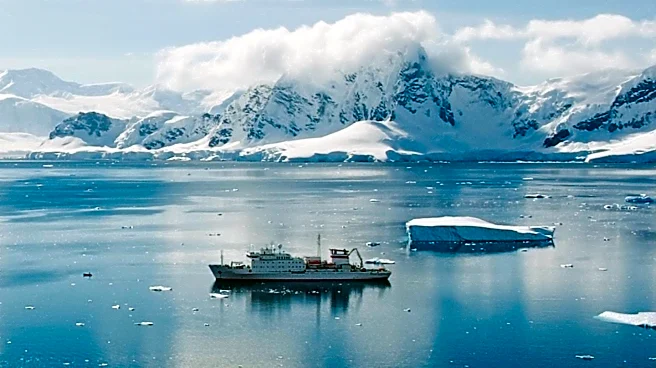
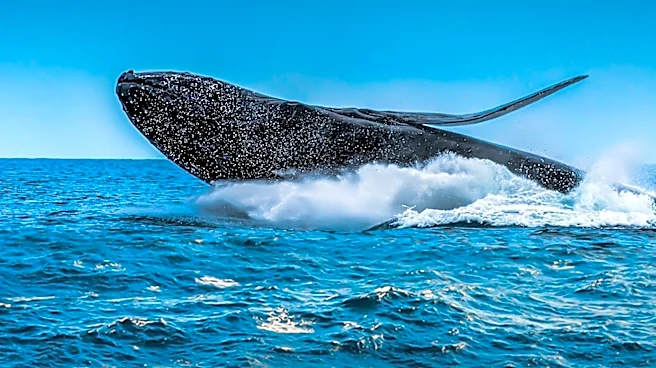
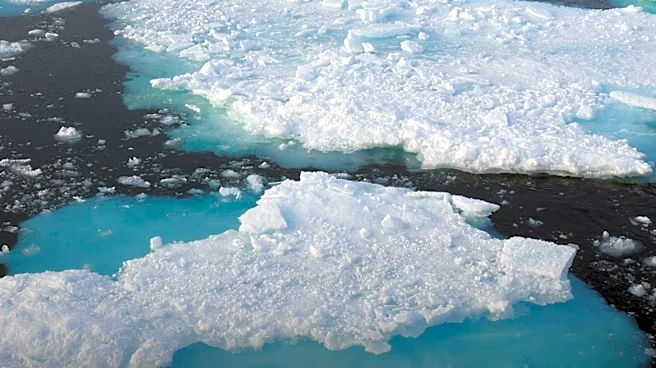
which have increased by approximately 2°C since the 1990s, and shrinking ice sheets are transforming previously inaccessible Arctic waters into new feeding grounds. A landmark study published in Frontiers in Marine Science, led by Prof. Mads Peter Heide-Jørgensen, reveals that these whales are exploiting the chaos by following their primary food source, capelin, which have shifted their feeding grounds from warmer waters north of Iceland into the newly opened Greenland Sea. Ship-based surveys and satellite tracking show a rapid increase in whale sightings, with thousands of humpbacks, fin whales, and minke whales visiting the region in 2024 alone, forming massive mixed-species feeding frenzies.
Why It's Important?
This ecological shift in the Arctic has significant implications for marine ecosystems and conservation efforts. While the increased feeding opportunities represent a short-term win for baleen whale populations recovering from commercial whaling, it introduces intense competition and habitat degradation for endemic Arctic species. Ice-associated mammals like narwhals, bowhead whales, and ringed seals, which rely on sea ice for protection, breeding, and hunting, face a double threat as their habitat diminishes and temperate whales consume their food sources. Inuit hunters along the coast have already observed changes in the distribution of traditional game, indicating a disruption to local food webs and traditional livelihoods. This phenomenon highlights how rapidly ocean ecosystems can reorganize due to climate change, challenging existing marine protected areas and conservation models that were established based on static environmental conditions. The event serves as a clear indicator of the profound and complex impacts of global warming on polar environments.
What's Next?
The continued warming of Arctic waters is expected to further reshape marine geography, potentially leading to more frequent and intense whale feeding frenzies in new areas. Researchers and conservationists will need to adapt traditional protection models, as marine protected areas designed decades ago may no longer align with the actual movements and habitats of marine life. Ongoing monitoring through airborne surveys, satellite tracking, and collaboration with Indigenous communities will be crucial to understand the long-term consequences of these ecological shifts. Further studies will likely focus on the cascading effects on the entire Arctic food web, including the impact on capelin populations and other species that rely on them. The scientific community will also be tasked with assessing the adaptability of ice-dependent species and developing new strategies to mitigate the negative impacts of these rapid environmental changes. The observed changes underscore the urgency of addressing climate change to preserve the delicate balance of Arctic ecosystems.
Beyond the Headlines
The phenomenon of whales exploiting new feeding grounds in the Arctic due to climate change presents a complex ethical and ecological dilemma. While the recovery of whale populations is generally viewed as a conservation success, the underlying cause—rapid climate change—is a global crisis. This situation forces a re-evaluation of what constitutes an "environmental victory" when it comes at the cost of disrupting established ecosystems and threatening other species. It highlights the interconnectedness of global climate systems and the unpredictable ways in which species adapt, or fail to adapt, to rapid environmental shifts. The displacement of traditional Arctic species and the impact on Indigenous communities' hunting practices also raise questions about environmental justice and the cultural consequences of climate change. This event serves as a powerful illustration of how climate change is not just about rising temperatures, but about fundamental transformations of entire biomes, with far-reaching and often paradoxical consequences for biodiversity and human societies.