







What's Happening?
The U.S. Congress has failed to extend a key surveillance tool under the Foreign Intelligence Surveillance Act (FISA), known as Section 702, due to opposition to President Trump's appointment of Bill Pulte as acting director of national intelligence.
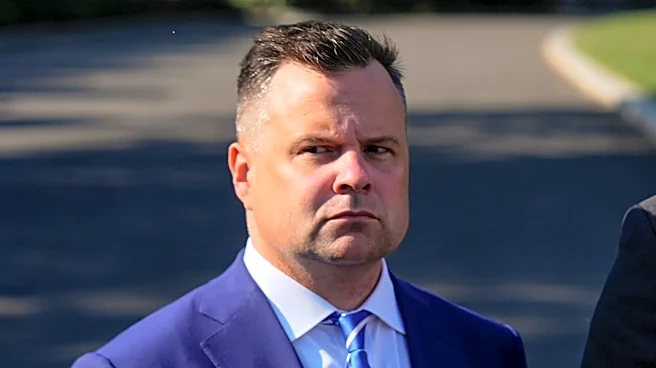
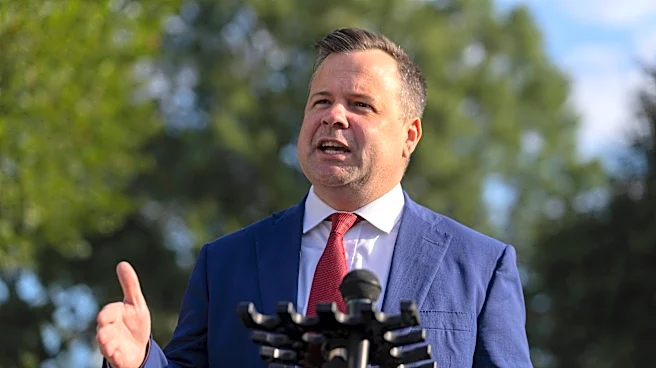
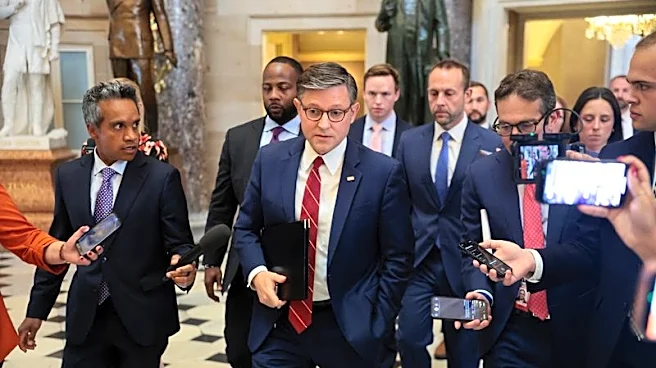
Pulte, who lacks intelligence experience, was chosen by Trump to temporarily lead the nation's intelligence agencies. Democrats, led by Rep. Jim Himes, have criticized the appointment and refused to support the FISA renewal unless Pulte is replaced. The House vote to extend the program failed, and the Senate also did not pass its version, leading to the expiration of the surveillance authority. This lapse could affect the U.S. government's ability to collect foreign intelligence, especially amid ongoing international tensions.
Why It's Important?
The expiration of Section 702 represents a significant challenge to U.S. national security, as it limits the government's ability to conduct surveillance on foreign targets. This tool is crucial for intelligence agencies like the CIA and NSA to gather information without a warrant. The political standoff over Pulte's appointment highlights the broader issue of partisanship affecting national security decisions. The situation underscores the importance of experienced leadership in intelligence roles and the potential risks of political appointments. The lapse in surveillance authority could have implications for U.S. intelligence operations and international relations, particularly in the context of current geopolitical tensions.
What's Next?
The expiration of FISA's Section 702 could lead to legal challenges and a potential gap in intelligence collection. President Trump has announced Jay Clayton as his permanent pick for the intelligence director role, but it remains unclear if this will resolve the impasse. Congress may need to reconvene to address the lapse and negotiate a solution that satisfies both parties. The situation could prompt discussions on the balance between national security and political appointments, as well as the need for bipartisan cooperation in critical areas of governance.