








What's Happening?
Vets Recover has introduced 'Rooted In Recovery,' a therapeutic garden program designed to support veterans, first responders, and their families. This initiative utilizes gardening as a tool for holistic healing, aiming to foster confidence, stability,
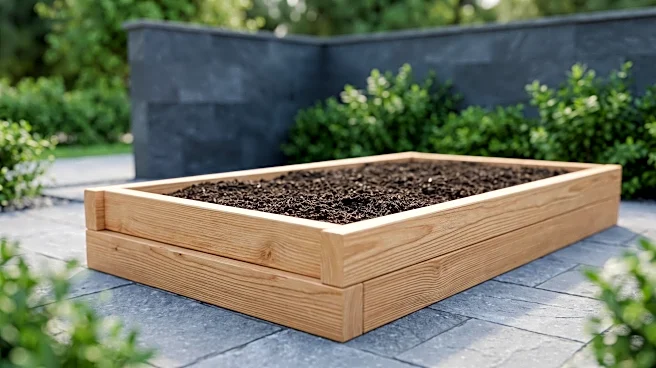
and hope among participants. The program provides a dedicated therapeutic garden space, which includes ADA-accessible raised beds to ensure participation for individuals of all abilities. Participants are taught fundamental gardening skills, such as planning garden beds, planting, watering, weeding, harvesting, and tool maintenance. A key component of 'Rooted In Recovery' is the integration of reflection and peer support during garden sessions, using the gardening process as a catalyst for conversations about recovery, personal growth, and change. The harvest from the garden is shared with participants, their families, and the broader veteran community, contributing to a sense of purpose and pride.
Why It's Important?
The 'Rooted In Recovery' program is significant because it offers a unique, hands-on approach to mental health and recovery support for a critical demographic: veterans and first responders. These groups often face substantial challenges related to trauma, stress, and reintegration into civilian life. Gardening, as a therapeutic activity, has been shown to reduce stress, improve mood, and increase feelings of calm and grounding. By building responsibility through consistent plant care, the program helps participants re-establish healthy routines and structure in their daily lives. Seeing plants grow and thrive under their care can boost confidence and self-efficacy, reinforcing the idea that their actions matter and positive change is achievable. Furthermore, the program fosters community and connection, providing a low-pressure environment where individuals can share experiences, build relationships, and develop a sense of belonging, which is crucial for long-term recovery and well-being.
What's Next?
The 'Rooted In Recovery' program is expected to continue its efforts in providing therapeutic gardening experiences. Future developments may include expanding the program's reach to more veterans and first responders, potentially through partnerships with other organizations or by establishing additional garden sites. The program's emphasis on sharing the harvest suggests ongoing community engagement and the potential for educational workshops on sustainable living and healthy eating. As participants gain skills and confidence, there may be opportunities for them to take on leadership roles within the garden, further enhancing their sense of purpose and contribution. The integration of reflection and peer support will likely evolve, with continued focus on using the garden as a metaphor for personal growth and resilience, potentially leading to more structured group therapy sessions or peer mentorship initiatives.
Beyond the Headlines
Beyond its immediate benefits, 'Rooted In Recovery' highlights the broader potential of nature-based therapies in addressing mental health challenges. The program taps into the inherent human connection with nature, offering a holistic alternative or complement to traditional therapeutic approaches. Ethically, it underscores the importance of providing accessible and inclusive recovery options for all, particularly those who have served their communities. Culturally, it promotes a shift towards recognizing and valuing non-pharmacological interventions for trauma and stress. In the long term, successful models like 'Rooted In Recovery' could influence public policy by advocating for increased funding and support for therapeutic horticulture programs within healthcare systems and veteran services. This initiative also contributes to a growing understanding of how engaging with the natural world can foster resilience, improve psychological well-being, and build stronger, more connected communities.