





What's Happening?
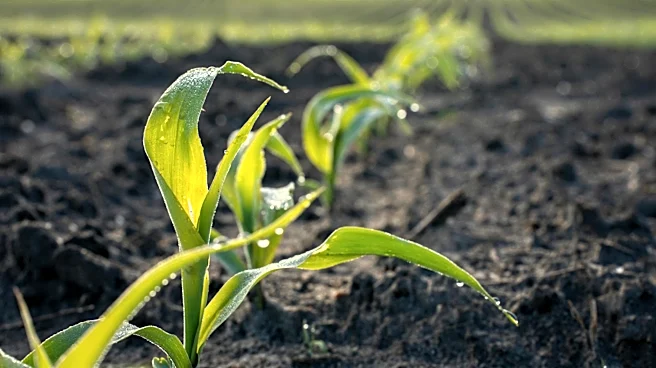
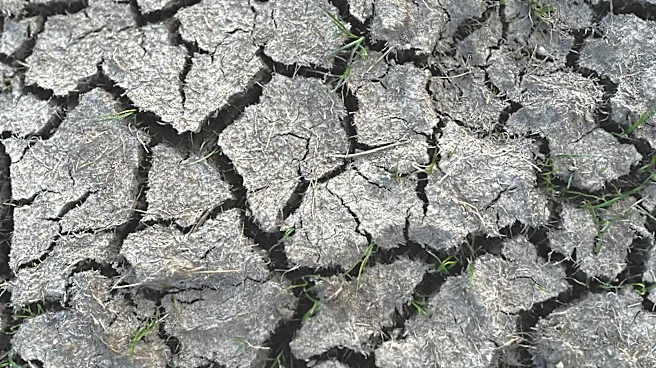
Farmers in the Midwest are experiencing a period of transition marked by unpredictable weather patterns and economic pressures. Recent storms have brought much-needed moisture to the region, aiding crop growth, but have also caused damage. Farmers are grappling
with the timing of planting and harvesting, as weather conditions fluctuate between cool and warm temperatures. This uncertainty is compounded by rising input costs, volatile commodity prices, and regulatory challenges, which are squeezing profit margins. The financial strain is raising concerns about the sustainability of family farms and whether the next generation will continue farming. Despite these challenges, rural communities are encouraged to advocate for their way of life by participating in decision-making processes.
Why It's Important?
The challenges faced by Midwest farmers have significant implications for the U.S. agricultural sector and rural economies. Rising input costs and volatile market conditions threaten the profitability and sustainability of family farms, which are integral to the rural economy. The potential decline in family farming could lead to a loss of agricultural heritage and community identity. Additionally, the economic pressures may discourage younger generations from pursuing farming, leading to a potential labor shortage in the agricultural sector. The situation underscores the need for policies that support farmers and address the economic and regulatory challenges they face.
What's Next?
Farmers and rural communities are likely to continue advocating for policies that support sustainable farming practices and address economic challenges. Stakeholders may push for regulatory reforms and financial assistance to help farmers manage rising costs and market volatility. There may also be increased efforts to engage younger generations in farming through education and incentives. The outcome of these efforts will be crucial in determining the future of family farms and the broader agricultural landscape in the Midwest.
Beyond the Headlines
The current challenges in Midwest agriculture highlight broader issues related to climate change and economic inequality. The unpredictable weather patterns may be indicative of larger climate trends that could affect agricultural productivity in the long term. Additionally, the economic pressures faced by farmers reflect broader issues of income inequality and the need for equitable economic policies. Addressing these challenges will require a comprehensive approach that considers environmental, economic, and social factors.