







What's Happening?
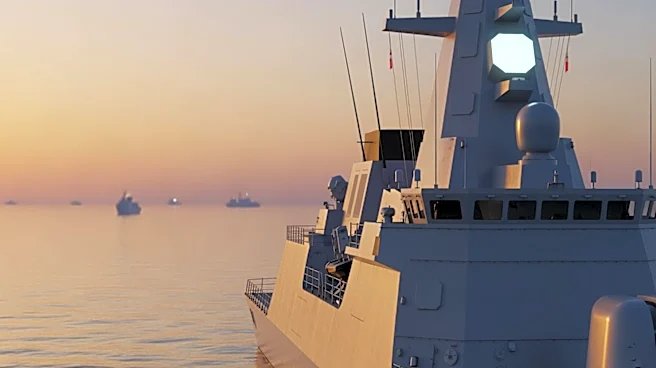
The European Union has initiated a campaign to address illegal maritime activities in the Mediterranean, focusing on vessels that are false-flagged or in breach of maritime laws. This effort is part of Operation Irini, originally established to enforce
an arms embargo on Libya. The operation has been expanded to support Ukraine by targeting Russian dark fleet activities. Since May, Irini has stopped three tankers, including the EU and UK-sanctioned Sandhya, which was coming from Brazil to Turkey. The operation faces challenges due to limited justifications for intercepting ships under international law.
Why It's Important?
This operation underscores the EU's commitment to enforcing maritime law and addressing illegal activities that threaten regional stability. By targeting dark fleet activities, the EU aims to disrupt illicit trade routes and support international sanctions, particularly against Russia. The operation also highlights the complexities of maritime law enforcement, as legal constraints can hinder efforts to intercept suspicious vessels. The success of this initiative could strengthen the EU's role in global maritime security and influence future policies on international cooperation in law enforcement.
What's Next?
The EU will likely continue its efforts to monitor and intercept illegal maritime activities in the Mediterranean. The operation's success could lead to further international collaborations and the development of new strategies to enhance maritime security. Additionally, the EU may seek to address legal challenges associated with intercepting vessels, potentially advocating for changes in international maritime law. The ongoing operation could also impact diplomatic relations with countries involved in illegal activities, prompting discussions on compliance with international regulations.