
What's Happening?
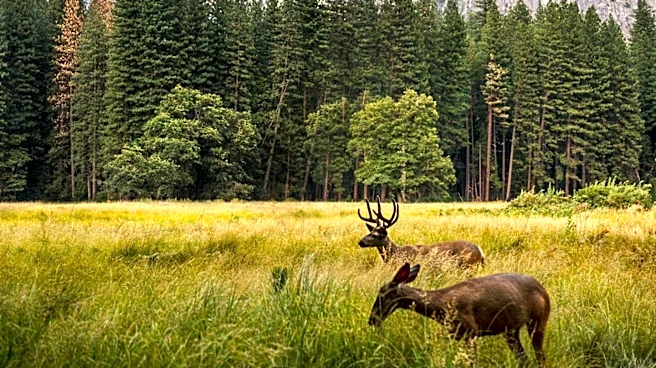
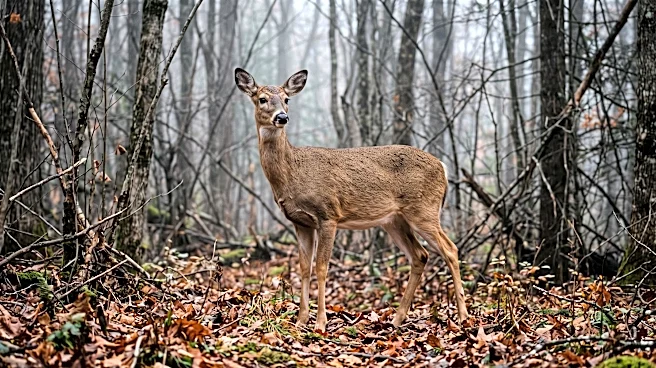
Deer hunting in the United States has become significantly easier due to a booming whitetail deer population and rapid advancements in hunting technology. According to Kip Adams, chief conservation officer
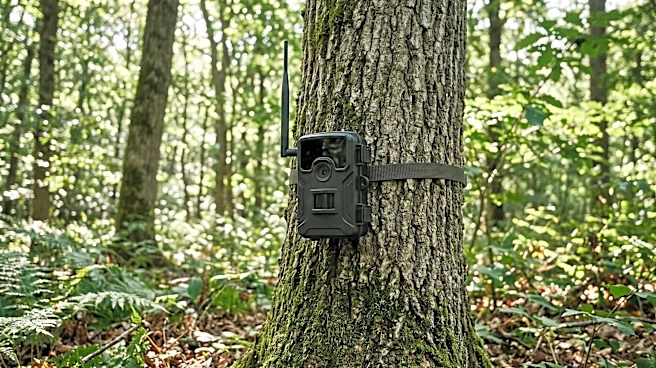
for the National Deer Association, there are currently between 30 to 35 million whitetails in the U.S., a record high. This population surge, coupled with a decline in the overall hunting population, has led to expanded hunting seasons and higher bag limits across many states. Technological innovations, such as cellular trail cameras, advanced crossbows, and modern cartridge designs, further contribute to the ease of locating and harvesting deer. Cellular trail cameras, for instance, provide real-time data on deer movement patterns, allowing hunters to strategize more effectively. Additionally, more states are now permitting the use of crossbows for all hunters and allowing straight-wall cartridges or inline muzzleloaders in areas previously restricted to shotguns, making it simpler for hunters to fill their tags. While these developments make it easier to harvest 'any deer,' the challenge of hunting a 'specific deer' remains.
Why It's Important?
The increasing ease of deer hunting has significant implications for the heritage and ethics of the sport. While a higher success rate can attract new hunters and contribute to wildlife management by controlling overpopulated deer herds, it also raises concerns about the potential erosion of traditional hunting skills and the 'thrill of the chase.' Some argue that the reliance on advanced technology and liberalized hunting methods, such as baiting in certain states, could create an 'unfair advantage' over the quarry, challenging the principles of fair chase. This shift could alter the experience for younger generations of hunters, potentially diminishing the value of woodsmanship and the lessons learned from challenging hunts. From a conservation standpoint, while increased harvest rates help manage deer populations that can impact ecosystems and agriculture, the ethical considerations of how these animals are taken remain a critical point of discussion within the hunting community and among the public. The balance between effective population control and maintaining the ethical standards of hunting is a key challenge.
What's Next?
The ongoing debate about the ethics and heritage of hunting in an era of technological advancement is likely to continue. State wildlife agencies and hunting organizations will face pressure to evaluate and potentially adjust regulations concerning the use of advanced technologies like cellular trail cameras and drones, as well as weapon types and hunting tactics. There may be a push for more nuanced regulations that balance hunter success with fair chase principles. Educational initiatives could also emerge, focusing on instilling traditional hunting ethics and woodsmanship alongside modern techniques. The hunting community itself will need to engage in self-reflection to define what constitutes ethical hunting in the 21st century. As deer populations continue to fluctuate due to environmental factors and human intervention, the policies governing hunting will need to remain adaptable, ensuring both effective wildlife management and the preservation of hunting's cultural and ethical dimensions.
Beyond the Headlines
The transformation of deer hunting reflects broader societal trends concerning technology's impact on traditional practices and the natural world. The ease of hunting, while beneficial for population control and potentially for attracting new participants, highlights a tension between efficiency and the intrinsic value of challenge and skill. This mirrors discussions in other areas where technology simplifies complex tasks, leading to questions about the preservation of expertise and the authenticity of experience. The ethical concerns raised by an 'easier' hunt also touch upon the human relationship with nature—whether it's primarily one of resource extraction or a more respectful, reciprocal engagement. The debate over 'fair chase' is not just about rules, but about the moral framework hunters apply to their interactions with wildlife. This evolution of hunting practices could influence public perception of hunters and conservation, potentially shaping future policy decisions and the long-term viability of hunting as a respected activity.