


What's Happening?
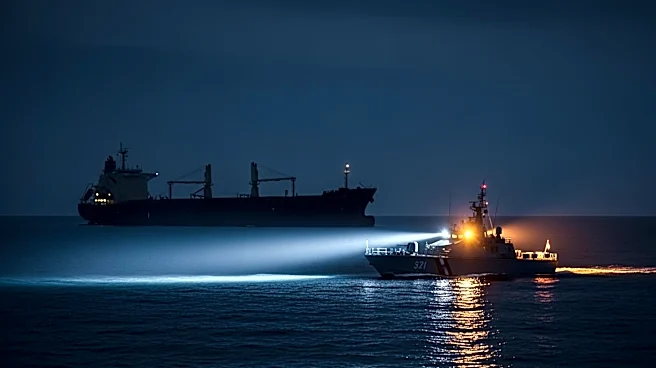
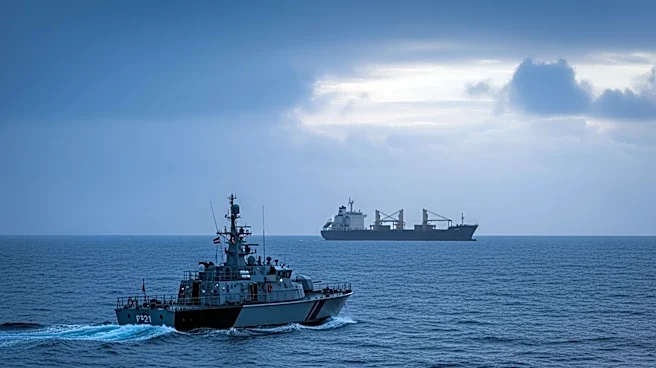
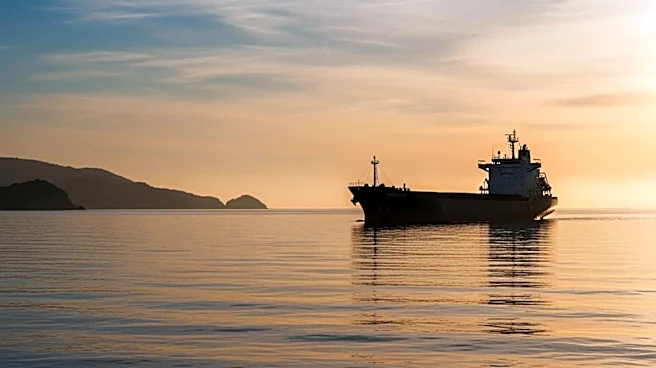
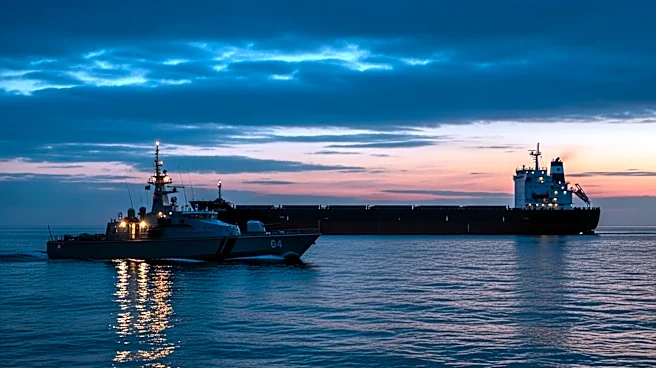
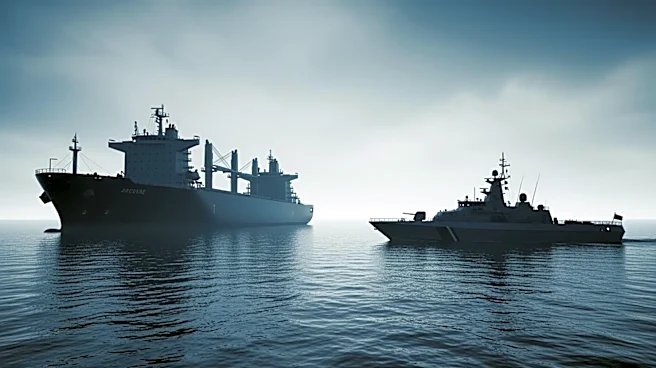
An Iranian-flagged vessel, identified as the Touska, was intercepted by the U.S. Navy near the Strait of Hormuz on April 19. The ship ignored multiple warnings from U.S. forces, prompting the Navy to disable it. Following this, U.S. Marines boarded the vessel.
The incident highlights ongoing tensions in the region, particularly concerning maritime security and the strategic importance of the Strait of Hormuz, a critical chokepoint for global oil shipments.
Why It's Important?
The interception of the Iranian vessel underscores the persistent geopolitical tensions between the U.S. and Iran, particularly in the strategically vital Strait of Hormuz. This area is crucial for global oil transportation, and any disruption can have significant implications for international oil markets and global economic stability. The U.S. Navy's actions reflect its commitment to maintaining security and freedom of navigation in international waters, which is vital for global trade. The incident may also influence U.S.-Iran relations, potentially affecting diplomatic efforts and regional security dynamics.
What's Next?
The incident could lead to increased military presence and patrols by the U.S. Navy in the region to deter similar actions. It may also prompt diplomatic discussions or tensions between the U.S. and Iran, as both countries navigate their strategic interests in the region. The international community will likely monitor the situation closely, given the potential implications for global oil supply and regional stability.