


What's Happening?
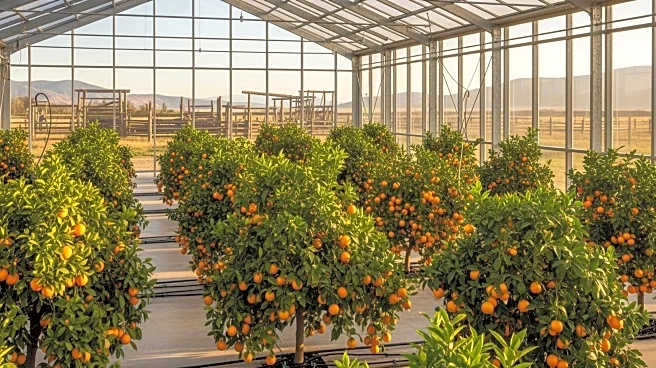
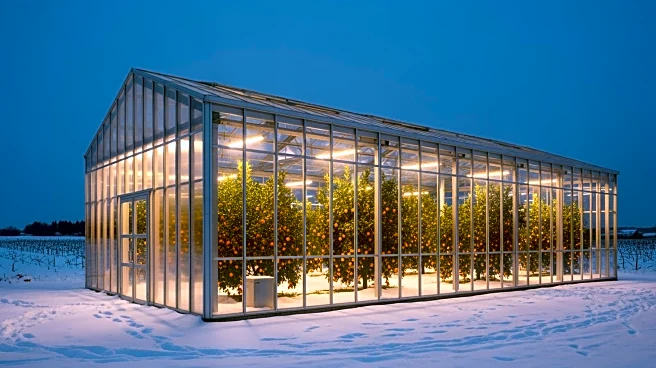
In Baker, Montana, the Barkley farm is pioneering a new approach to agriculture by successfully growing citrus fruits such as lemons, limes, oranges, and even peaches in a year-round greenhouse. This initiative challenges the traditional agricultural
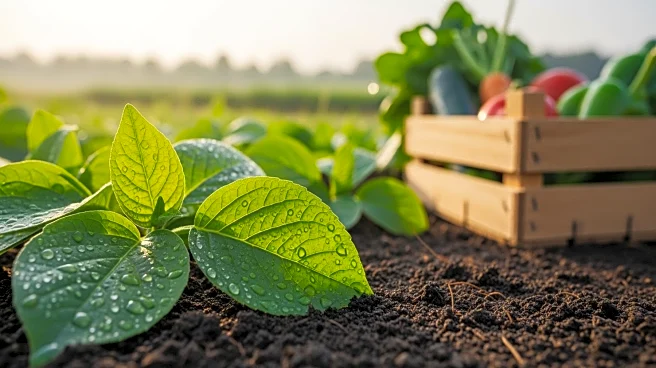
practices in southeast Montana, which have predominantly focused on crops like wheat and barley. The farm's innovative methods include the use of various types of worms, such as red wigglers, European nightcrawlers, and earthworms, to enhance soil health and plant growth. Thirteen-year-old Haddie Barkley, who is actively involved in the farm's operations, emphasizes the importance of these worms in maintaining a healthy ecosystem for the plants.
Why It's Important?
The Barkley farm's success in growing citrus fruits in a region not typically known for such produce represents a significant shift in agricultural practices. This development could inspire other farmers in similar climates to explore diverse crop options, potentially leading to increased agricultural productivity and economic diversification. By demonstrating that non-traditional crops can thrive in Montana's climate with the right techniques, the farm is setting a precedent for innovation in agriculture. This could have broader implications for food security and sustainability, as it encourages the adoption of practices that maximize land use and resource efficiency.
What's Next?
The success of the Barkley farm may prompt further exploration and investment in greenhouse technology and sustainable farming practices in Montana and similar regions. Other farmers might consider adopting these methods to diversify their crop offerings and improve resilience against climate variability. Additionally, agricultural researchers and policymakers could take an interest in studying and supporting such innovative practices to enhance regional food systems and economic opportunities.
Beyond the Headlines
The Barkley farm's approach highlights the potential for small-scale, family-run farms to lead in agricultural innovation. This case underscores the importance of local knowledge and adaptability in farming, as well as the role of younger generations in driving change. The use of worms to improve soil health also points to a growing interest in organic and sustainable farming practices, which could influence consumer preferences and market trends in the agricultural sector.