


What's Happening?
HEATJAC has provided a comprehensive overview of hypothermia, defining it as a condition where the core body temperature drops below 35 °C (95 °F). The information outlines three primary stages: mild, moderate, and severe. Mild hypothermia, occurring
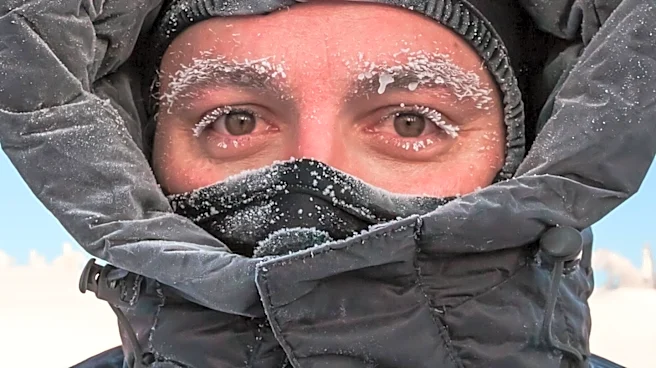
between 35 to 32 °C (95 to 90 °F), is characterized by intense shivering, pale skin, and clumsiness. Moderate hypothermia, from 32 to 28 °C (90 to 82 °F), involves confusion, drowsiness, and weakening or cessation of shivering. Severe hypothermia, below 28 °C (82 °F), leads to unconsciousness and a high risk of cardiac arrest. The article emphasizes that hypothermia is a medical emergency at any stage and can occur indoors, in cool water, or in wet conditions even above freezing temperatures. It also details the Revised Swiss System for staging hypothermia, which focuses on responsiveness and cardiac arrest risk rather than precise temperature readings, acknowledging the difficulty of accurate temperature measurement in field conditions. The guide also highlights that shivering stopping is a critical warning sign, not an indication of recovery.
Why It's Important?
Understanding the stages and symptoms of hypothermia is crucial for public health and safety, particularly in regions susceptible to cold weather or for individuals engaging in outdoor activities. The detailed breakdown of symptoms for each stage allows for earlier recognition and intervention, which can be life-saving. The emphasis on hypothermia occurring indoors or in above-freezing temperatures broadens public awareness beyond typical cold-weather scenarios, highlighting risks for vulnerable populations such as older adults and infants in poorly heated environments. The information on 'rescue collapse' and 'afterdrop' is vital for first responders and caregivers, as improper handling during rescue can exacerbate the condition or trigger fatal cardiac events. By providing clear guidelines on what to do and what not to do, HEATJAC's information can significantly improve immediate care and outcomes for individuals experiencing hypothermia, reducing potential long-term complications or fatalities.
What's Next?
The detailed information provided by HEATJAC serves as a critical educational resource that can be utilized by emergency services, healthcare providers, and public safety campaigns to enhance preparedness and response to hypothermia cases. Future efforts may involve integrating this knowledge into first aid training programs and public awareness initiatives, especially in communities with high-risk populations or those prone to extreme weather conditions. There could be a focus on developing and distributing accessible materials that simplify these guidelines for broader public understanding. Additionally, ongoing research into hypothermia management, particularly concerning pre-hospital care and rescue techniques, will likely continue to refine best practices. The emphasis on the Revised Swiss System suggests a move towards more practical, field-oriented assessment methods, which could lead to further standardization in emergency medical protocols for cold-related emergencies.
Beyond the Headlines
The comprehensive guide on hypothermia by HEATJAC underscores a broader societal challenge related to environmental safety and public health education. Beyond immediate medical responses, the information highlights systemic issues such as inadequate housing conditions for vulnerable populations, which can lead to indoor hypothermia. It also points to the need for greater awareness regarding the physiological impacts of cold, dispelling common misconceptions like assuming a person is warming up when shivering stops. The discussion of 'rescue collapse' brings to light the complex physiological responses of the human body to extreme cold and the delicate balance required during recovery, emphasizing the ethical imperative of gentle and informed care. This detailed knowledge can foster a more proactive approach to cold weather safety, encouraging individuals and communities to adopt preventative measures and improve their capacity to respond effectively to cold-related emergencies, thereby potentially reducing morbidity and mortality associated with hypothermia.