







What's Happening?
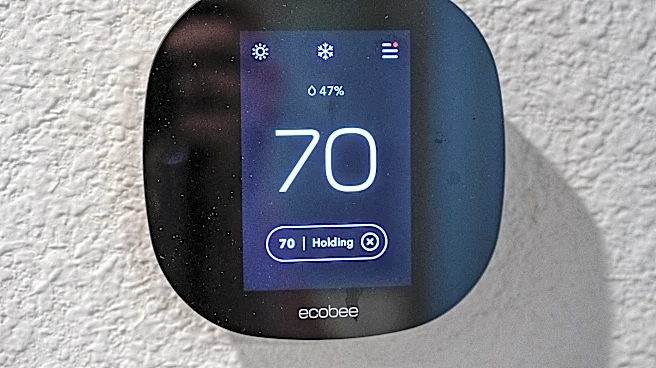
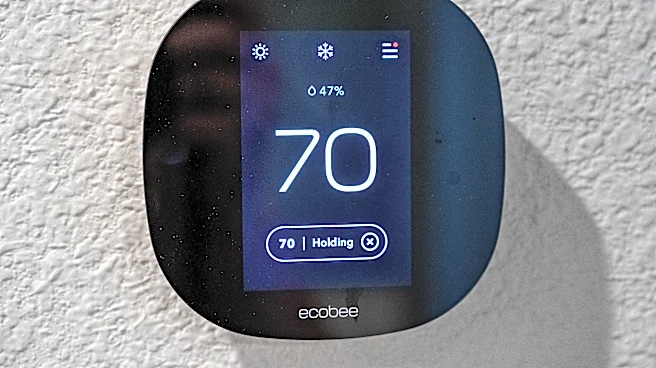
The Ecobee Smart Thermostat Premium is identified as a top-tier smart thermostat for modern homes, distinguished by its advanced wireless remote sensors that detect both temperature and occupancy across different rooms. This functionality aims to eliminate
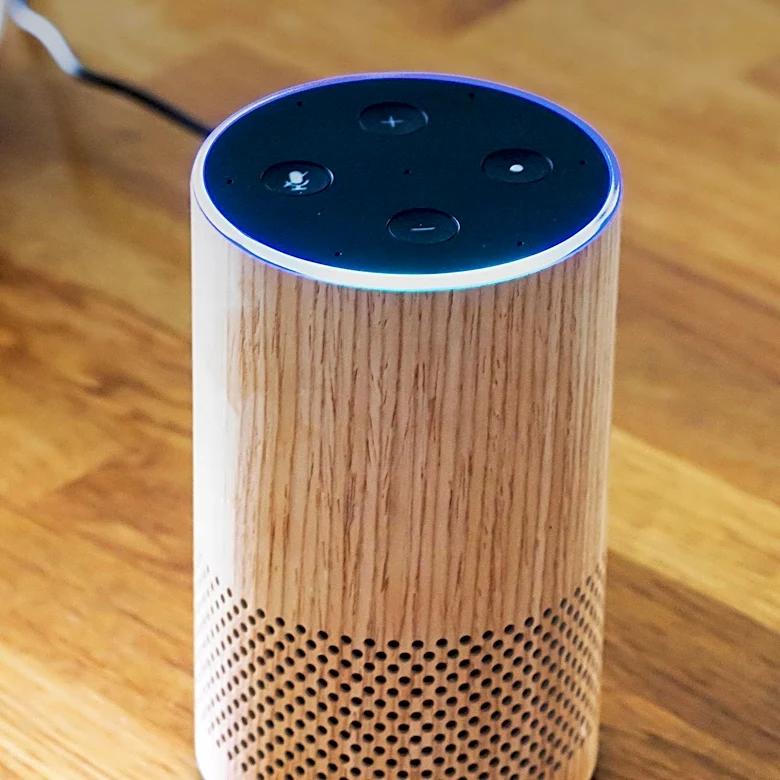
cold spots and ensure balanced multi-room temperatures. The device also integrates a built-in air quality monitor and smart speaker capabilities, supporting both Alexa and Siri. Its design features a sleek zinc-alloy finish. While it boasts significant energy savings, potentially reducing heating and cooling costs by up to 26% annually, it comes with a higher upfront price compared to its competitors. Other notable smart thermostats in the market include the Google Nest Thermostat, Honeywell Home T9 Smart Thermostat, Amazon Smart Thermostat, and Google Nest Learning Thermostat (4th Gen), each offering distinct features and price points.
Why It's Important?
The prominence of advanced smart thermostats like the Ecobee Smart Thermostat Premium signifies a growing trend in the U.S. market towards energy efficiency and integrated smart home solutions. For consumers, these devices offer substantial annual savings on heating and cooling bills, directly impacting household budgets, especially during periods of rising energy costs. The integration of features like multi-room temperature balancing and smart speaker compatibility enhances user convenience and comfort, making smart homes more accessible and functional. The competition among brands like Ecobee, Google, Honeywell, and Amazon drives innovation, leading to more sophisticated and user-friendly products. This trend also highlights a broader shift towards sustainable living, as consumers increasingly adopt technologies that reduce energy consumption and environmental impact. The higher initial investment for premium models suggests a willingness among some consumers to pay more for long-term benefits and advanced capabilities.
What's Next?
The smart thermostat market is expected to continue its rapid evolution, with ongoing advancements in sensor technology, AI-driven learning algorithms, and seamless integration with broader smart home ecosystems. Future developments may focus on even greater energy efficiency, personalized climate control, and enhanced predictive capabilities based on user behavior and external factors like weather forecasts. The competition among major tech companies and traditional appliance manufacturers will likely lead to more affordable options with advanced features, making smart thermostats accessible to a wider demographic. Furthermore, increased emphasis on data privacy and security for smart home devices will become a critical area of focus for manufacturers and regulators. The adoption of universal smart home standards, such as Matter, will also play a crucial role in ensuring interoperability and ease of use across different brands and platforms.
Beyond the Headlines
The rise of smart thermostats extends beyond mere convenience and cost savings, touching upon broader societal and technological implications. Ethically, the collection of detailed occupancy and temperature data by these devices raises questions about user privacy and data security, prompting discussions on how this information is stored, used, and protected. Culturally, the increasing reliance on automated home systems reflects a shift towards a more technologically integrated lifestyle, where AI and smart devices manage daily routines. Legally, as these devices become more sophisticated, there may be a need for new regulations concerning data ownership, interoperability standards, and consumer protection in the smart home sector. The long-term shift could see homes becoming highly optimized, self-regulating environments, potentially influencing urban planning, energy infrastructure, and even architectural design to accommodate these intelligent systems.