

What's Happening?
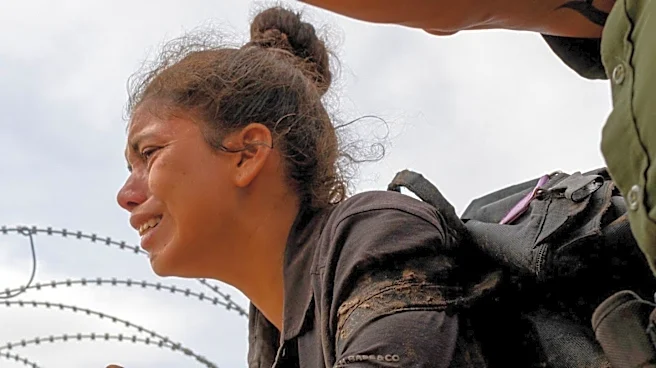
Immigration arrests in Washington state have surged, with federal immigration officers detaining approximately 705 people in June and 700 in July, marking the highest monthly totals on record. This increase in enforcement has become a central issue in Central
Washington's 4th Congressional District, where Democratic candidate John Duresky and Republican candidate Amanda McKinney are vying for the open seat left by retiring U.S. Rep. Dan Newhouse. Duresky has criticized the Trump administration’s immigration enforcement approach as 'immoral and un-American,' citing reports of ICE agents photographing individuals in parking lots and creating a 'chilling effect' that discourages immigrants from participating in the economy. He advocates for an affordable path to legal status for long-term residents without criminal convictions. In contrast, McKinney defends ICE officers and emphasizes the importance of enforcing immigration laws while also addressing agricultural workforce needs through H-2A reforms. She states that any credible allegations of misconduct by ICE agents should be investigated but rejects 'smearing' officers for performing their duties. The state's Keep Washington Working Act limits local law enforcement's involvement in federal civil immigration enforcement, stating they are not required to assist or detain individuals solely based on immigration status.
Why It's Important?
The differing stances of Duresky and McKinney on immigration enforcement highlight a significant political and social divide within Central Washington and potentially across the nation. The surge in ICE arrests and the 'chilling effect' described by Duresky could have substantial economic implications, particularly for the agricultural sector in Central Washington, which heavily relies on immigrant labor. If immigrants are deterred from working or participating in the economy, it could lead to labor shortages and economic instability in key industries. McKinney's emphasis on H-2A reforms suggests a recognition of the agricultural sector's needs, but her prioritization of enforcement over Duresky's call for a path to legal status presents a fundamental policy divergence. This debate reflects broader national discussions about immigration policy, border security, and the balance between enforcement and humanitarian concerns. The outcome of this election could influence how immigration laws are approached and implemented in a region with a significant immigrant population and a vital agricultural economy.
What's Next?
The candidates, Amanda McKinney and John Duresky, are scheduled to participate in a debate on Wednesday, September 30th, which will be broadcast live. This debate will provide voters with a direct opportunity to hear their detailed positions on immigration enforcement, agricultural labor, and other critical issues. The general election is set for November 3rd, with ballots being mailed to registered voters by October 16th. The results of this election will determine the next representative for Washington's 4th Congressional District, and their approach to immigration policy will likely have direct consequences for the region's immigrant communities and agricultural businesses. Depending on the election outcome, there could be shifts in local and federal cooperation regarding immigration enforcement, as well as potential legislative efforts to reform agricultural guest worker programs or establish pathways to legal status.
Beyond the Headlines
The discussion surrounding immigration enforcement in Central Washington extends beyond immediate policy debates, touching upon deeper ethical and cultural dimensions. Duresky's characterization of the Trump administration's approach as 'immoral and un-American' raises questions about the human rights implications of aggressive immigration enforcement and the values that should underpin national immigration policies. The 'chilling effect' on immigrant communities, where individuals may avoid public life or work due to fear of detention, can lead to social isolation and undermine community trust in law enforcement. Conversely, McKinney's defense of ICE officers and emphasis on the rule of law reflects a perspective that prioritizes national sovereignty and legal frameworks. This election serves as a microcosm of the ongoing national struggle to reconcile economic needs, humanitarian concerns, and legal principles in the context of immigration. The long-term shifts triggered by this development could include changes in community demographics, labor market dynamics, and the political landscape of regions heavily impacted by immigration policies.