






What's Happening?
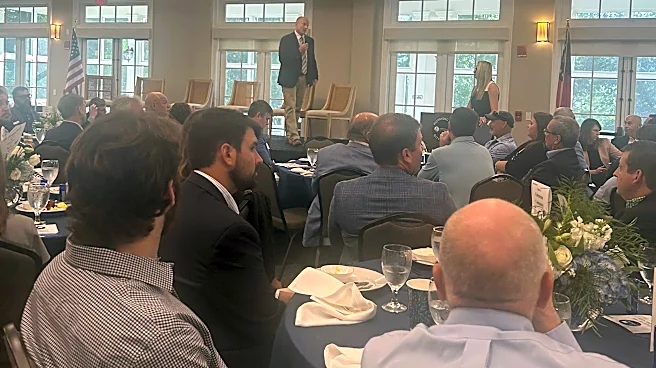
Colorado State University (CSU) and the City of Fort Collins jointly hosted two open house sessions on August 26-27. These sessions were organized for residents in the neighborhoods surrounding the Fort Collins campus, aiming to improve relations between
CSU, its students, and the local community. The primary objective was to address recent concerns regarding noise levels, traffic, and parking availability. Attendees at the August 27 session specifically voiced issues related to the noise and traffic generated during the recent Professional Bull Riders’ Bulls and Beats festival at Canvas Stadium, as well as the presence of CSU’s digital billboards across campus. Malissa Larson, the community liaison between CSU and the city, stated that these events are intended to reconnect neighbors with institutions, resources, and each other to identify shared concerns and opportunities.
Why It's Important?
The initiative by CSU and the City of Fort Collins is crucial for fostering a harmonious relationship between a large university and its surrounding residential community. Unresolved issues like noise, traffic, and parking can lead to significant friction, impacting the quality of life for long-term residents and potentially creating a negative perception of the university. For CSU, maintaining good community relations is vital for its reputation, student recruitment, and continued support from local government and taxpayers. Addressing these concerns proactively can prevent escalation of conflicts and ensure that the university remains an integrated and valued part of Fort Collins. This collaborative approach also serves as a model for other university towns facing similar challenges across the U.S.
What's Next?
The open house sessions included survey questions to gather information on residents' attendance at CSU events, their concerns, and their willingness to participate in future events. Malissa Larson expressed hope for hosting similar events in the future, aiming for each meeting to contribute to a greater understanding between students and residents. Emily Seems, associate vice president for community affairs and engagement, noted that while the university had systems for common events like football games, new events like the PBR festival highlighted the need for continuous engagement. The city's neighborhood services department also promoted programs like the 360 Neighborhoods Program and Longer Tables series to encourage community building and student involvement, emphasizing that students are an integral part of Fort Collins.
Beyond the Headlines
Beyond the immediate concerns of noise and traffic, these sessions touch upon the broader theme of integrating transient student populations with established residential communities. The sentiment expressed by resident Amy Hahn, that students should understand they are 'guests in the community,' highlights a common tension in university towns. This initiative by CSU and Fort Collins attempts to bridge this gap by fostering dialogue and mutual respect. It also underscores the responsibility of educational institutions to be good neighbors and actively engage with their local environment. The success of such programs can lead to a more inclusive and understanding community where both permanent residents and temporary student populations feel valued and connected, potentially influencing urban planning and community development strategies in other university cities.