

What's Happening?
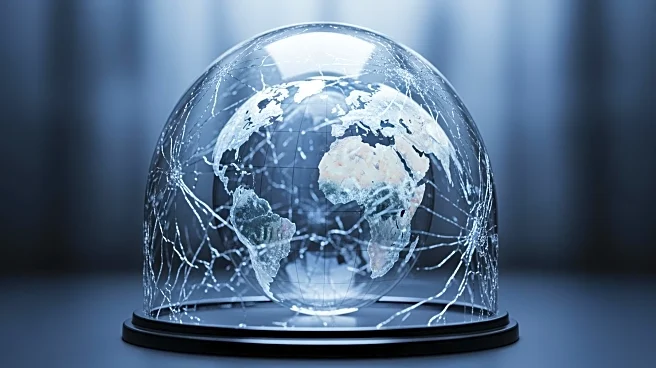
The United States has finalized its withdrawal from the World Health Organization (WHO), a move initiated by President Trump due to the organization's handling of the COVID-19 pandemic. The Trump administration criticized the WHO for its response to the pandemic and its failure
to implement necessary reforms. The U.S. has been a major financial supporter of the WHO, but the administration highlighted the lack of American leadership within the organization as a concern. The withdrawal could impact the U.S.'s access to global health data and its ability to respond to future health threats.
Why It's Important?
The U.S. exit from the WHO could have far-reaching consequences for global health initiatives and the country's ability to respond to international health crises. The WHO plays a critical role in coordinating global health efforts, and the U.S. has been a key player in these initiatives. The withdrawal may hinder the development of vaccines and medicines, as well as the U.S.'s ability to participate in global health decision-making. Public health experts have criticized the move as potentially harmful to both U.S. and global health security.
What's Next?
The WHO is expected to discuss the U.S. withdrawal at an upcoming Executive Board meeting. The U.S. has ceased participation in WHO committees and working groups, which could impact its influence in global health matters. The Trump administration has indicated plans to establish direct health data-sharing agreements with other countries, but the feasibility and effectiveness of these arrangements remain uncertain. The U.S. will need to navigate its role in global health without the framework provided by the WHO.