


What's Happening?
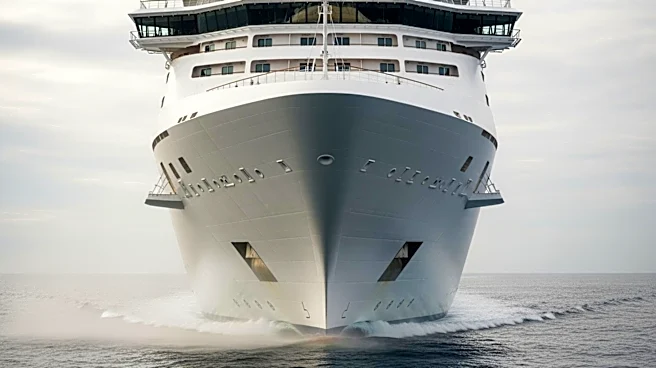
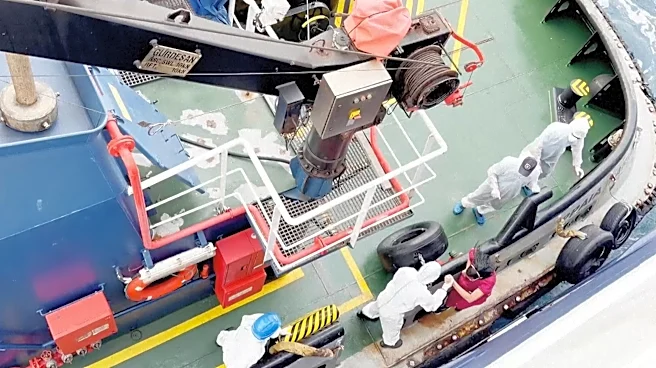
The World Health Organization (WHO) has confirmed two cases of hantavirus on the MV Hondius cruise ship, with five additional cases suspected. The ship, carrying around 150 passengers, is currently stranded off the coast of Cape Verde. The outbreak has resulted
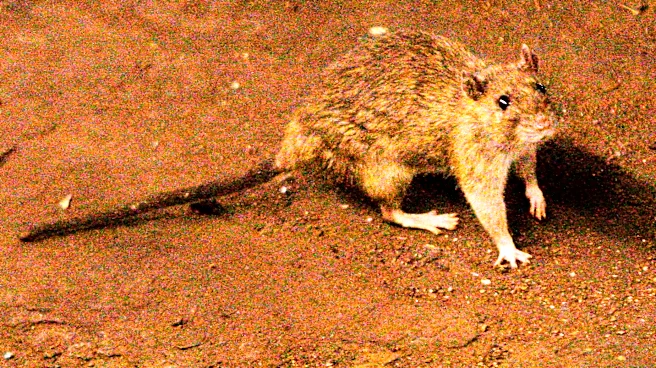
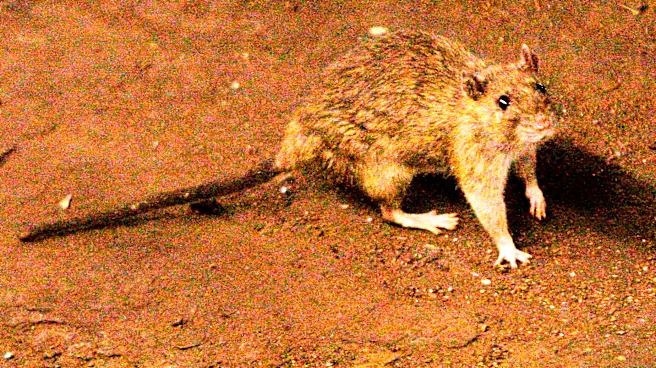
in three deaths, including a Dutch couple and a German national. The ship, which set sail from Argentina, has been denied docking in Cape Verde as a precautionary measure. The WHO has stated that the risk to the wider public is low, as hantavirus is typically spread by rodents and rarely transmits between humans. However, limited human-to-human transmission has been reported in some strains.
Why It's Important?
This outbreak highlights the challenges of managing infectious diseases on cruise ships, which are often isolated and have limited medical resources. The situation underscores the need for stringent health protocols and rapid response measures to prevent the spread of infectious diseases in such environments. The incident also raises awareness about hantavirus, a less commonly known virus, and the importance of monitoring zoonotic diseases that can jump from animals to humans. The outbreak could have implications for the cruise industry, which has been heavily impacted by the COVID-19 pandemic, as it seeks to reassure passengers about safety measures.
What's Next?
Authorities are working on a plan for medical evacuation of those affected and are considering options for disembarkation. The ship's operator, Oceanwide Expeditions, is coordinating with the WHO and Dutch health services to find a safe port for the passengers. Epidemiological investigations are ongoing to determine the source of the outbreak. The situation remains fluid, and further developments are expected as health officials continue to monitor the passengers and crew for symptoms. The incident may lead to a review of health and safety protocols on cruise ships to prevent future outbreaks.