



What's Happening?
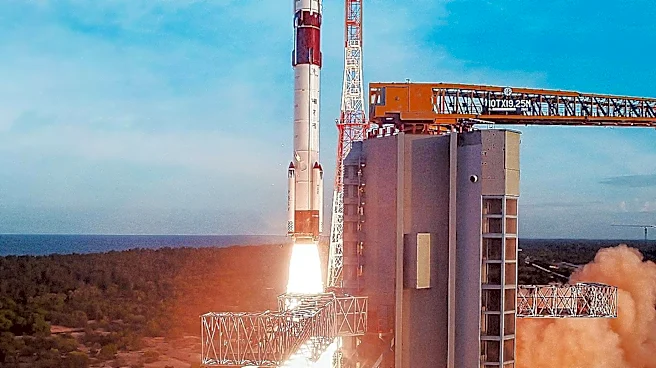
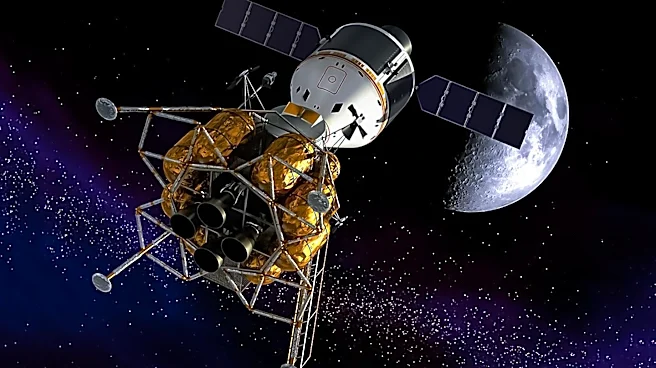
The Indian Space Research Organisation (ISRO) and the Japan Aerospace Exploration Agency (JAXA) have reviewed the preparations for the Chandrayaan-5 mission, also known as the Lunar Polar Exploration Mission (LUPEX). Scheduled for a 2028 launch, this
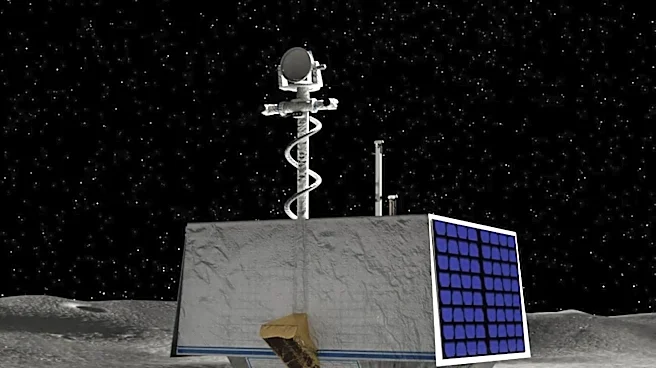
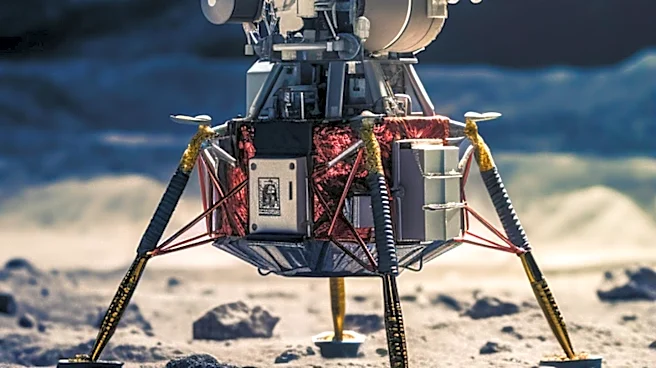
joint mission aims to explore the Moon's south polar region, focusing on detecting and analyzing water ice. The mission will utilize a lander developed by ISRO and a rover developed by JAXA, launched aboard Japan's H3 rocket. This collaboration also involves NASA and the European Space Agency (ESA), contributing scientific payloads to the mission.
Why It's Important?
The Chandrayaan-5 mission represents a significant step in international space collaboration, particularly between India and Japan. By focusing on the Moon's south pole, the mission aims to advance our understanding of lunar resources, which is crucial for future human exploration and potential colonization. The mission's success could pave the way for more collaborative efforts in space exploration, enhancing scientific knowledge and technological capabilities. Additionally, it supports India's long-term ambitions in human spaceflight, as part of the broader Gaganyaan program.
What's Next?
As the Chandrayaan-5 mission progresses towards its 2028 launch, ISRO and JAXA will continue to refine the mission's components and objectives. The collaboration will likely involve further integration of scientific instruments and testing of the lander and rover systems. The mission's outcomes could influence future lunar exploration strategies and international partnerships, potentially leading to more joint missions aimed at resource utilization and human settlement on the Moon.