
What's Happening?
The Arctic region is experiencing significant changes as the ice cover diminishes, opening new shipping routes and exposing untapped fossil-fuel reserves. This development has prompted discussions about
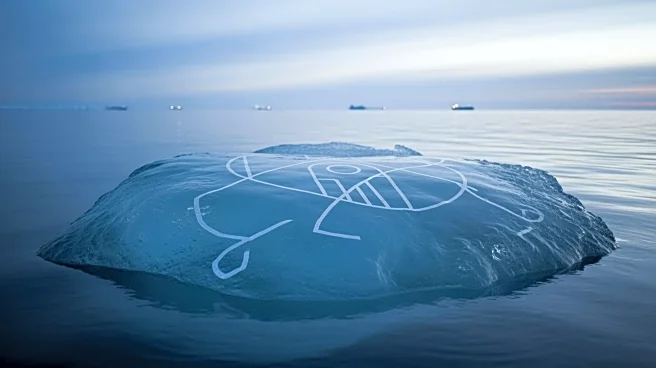
the legal status of sea ice, which currently lacks comprehensive legal protection. The United Nations' special envoy for the ocean, Peter Thomson, has called for a pause on new economic activities in the Central Arctic Ocean to assess environmental risks. Some scholars propose granting legal personhood to sea ice, similar to the rights-of-nature movement seen in other countries. This would provide sea ice with a representative to advocate for its protection, potentially curbing activities that contribute to its degradation.
Why It's Important?
The melting Arctic ice presents both economic opportunities and environmental challenges. New shipping routes could reduce travel time and costs for global trade, but increased activity poses risks to the fragile Arctic ecosystem. Granting legal personhood to sea ice could establish stronger protections against harmful activities, such as emissions from ships that accelerate ice melt. This approach could also involve Indigenous communities in governance, recognizing their traditional knowledge and rights. However, the concept faces challenges, including defining what constitutes harm to sea ice and achieving international consensus on its legal status.
What's Next?
The proposal to grant legal personhood to sea ice is still in its early stages, primarily an ethical exploration. If pursued, it would require international treaties and agreements to be effective, as the major threats to sea ice, like global emissions, cannot be managed locally. The U.S. and other Arctic nations may need to balance economic interests with environmental responsibilities. Future discussions could focus on setting standards for shipping emissions and icebreaking activities, with potential legal actions by Indigenous communities to enforce these standards.
Beyond the Headlines
The idea of granting legal personhood to nonhuman entities is not new, as corporations and ships already enjoy such status in many jurisdictions. This legal framework could provide a model for sea ice, allowing for more targeted environmental protections. However, the rights-of-nature movement has faced criticism for sometimes prioritizing environmental goals over Indigenous rights. Any legal framework for sea ice would need to carefully consider these dynamics to avoid repeating past mistakes.