
What's Happening?
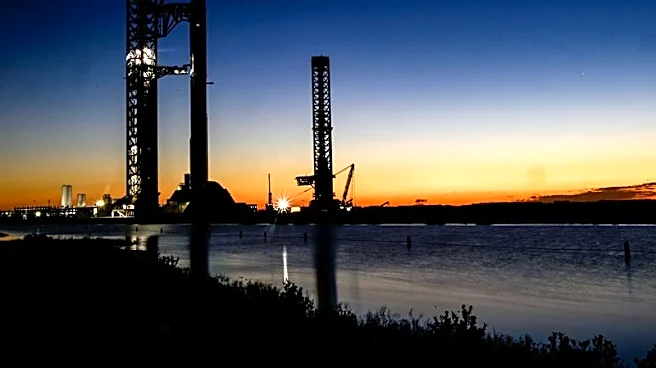
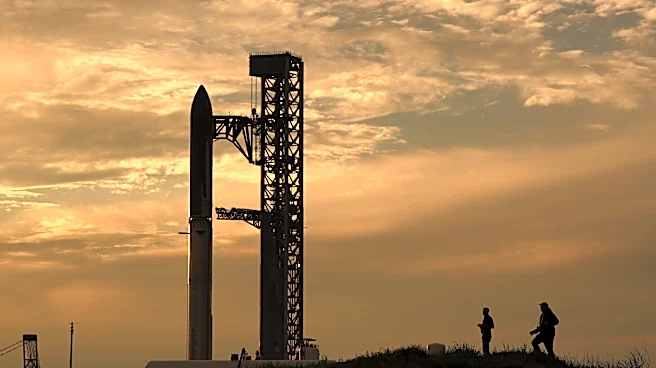
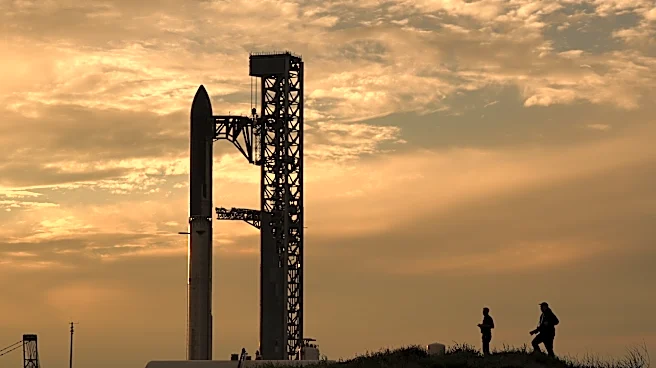
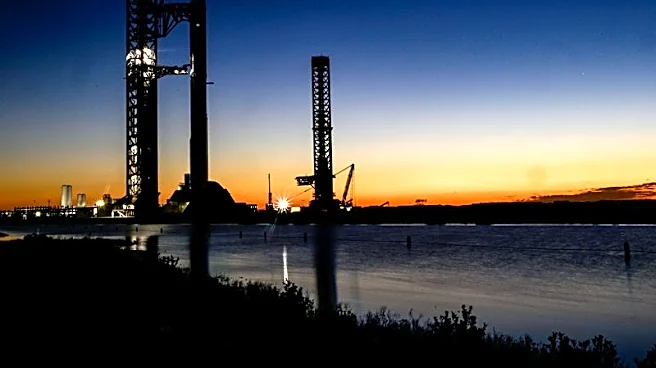
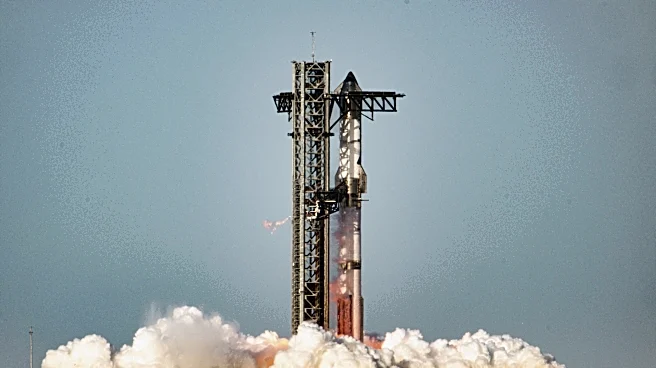
SpaceX's Starship successfully returned to Earth and was caught by the launch pad's mechanical arms, known as Mechazilla, after a 22-hour orbital test flight. This marks the first time a Starship upper
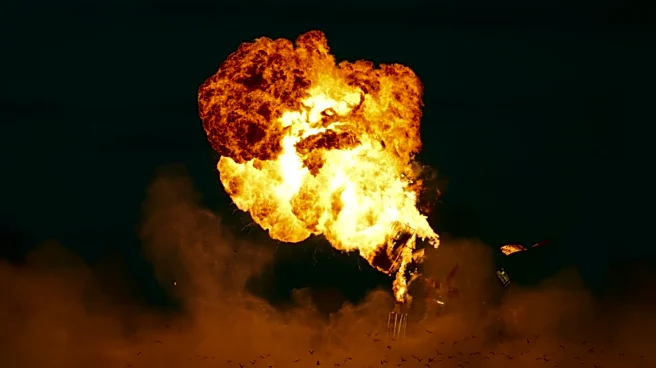
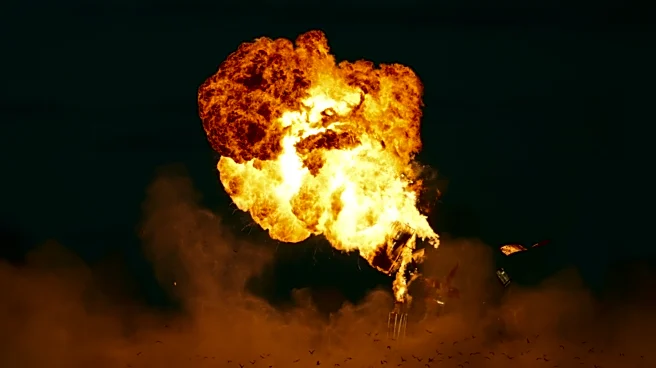
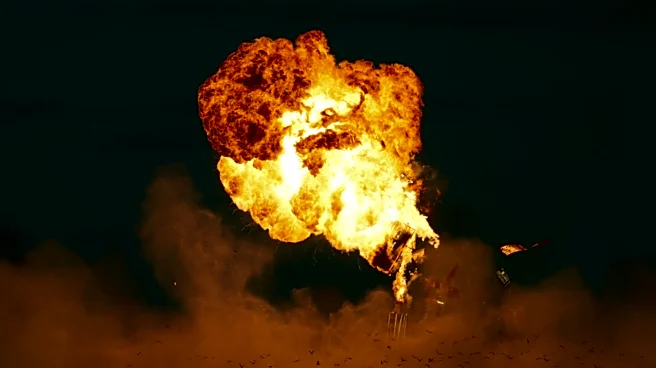
stage has been captured upon returning from space. The spacecraft completed 14 laps around Earth, deploying 26 Starlink satellites, and its heat shield and other systems reportedly functioned well. However, the mission was not without incident; the first-stage Super Heavy booster exploded shortly after liftoff. According to SpaceX's Kate Tice, the booster's engines stopped firing too soon during its descent, leading its guidance system to initiate an automatic self-destruction in the Gulf of Mexico. Engineers are currently investigating the cause of the booster's engine underperformance and subsequent explosion. This flight was SpaceX's 15th full-scale Starship flight since 2023 and only its second trip to orbit.
Why It's Important?
The successful orbital catch of the Starship upper stage is a significant milestone for SpaceX and the broader space industry, demonstrating the potential for full reusability of large spacecraft. This capability is crucial for reducing the cost and increasing the frequency of space missions, which is central to SpaceX's long-term goals of accelerating moon and Mars travel. NASA, a key partner, is relying on Starship for its Artemis program to land astronauts on the moon and establish a lunar base. The ability to quickly reuse rockets could save millions of dollars per mission, making ambitious space exploration and colonization more economically viable. While the booster's explosion highlights ongoing challenges, the successful return and catch of the Starship itself validate a critical aspect of the system's design and operational concept, proving the feasibility of a reusable orbital spacecraft system.
What's Next?
SpaceX engineers are actively investigating the cause of the Super Heavy booster's engine underperformance and subsequent explosion. The findings from this investigation will be integrated into future launch and catch hardware designs. SpaceX anticipates beginning Starship launches from Florida’s Kennedy Space Center within the next few months. These launches are slated to support NASA’s upcoming Artemis missions, which will initially focus on lunar lander practice in Earth orbit before proceeding to crewed lunar landings. NASA is targeting as early as 2028 for Artemis IV, which aims to be humanity's first moon landing since the Apollo era. The company's ability to refine its booster recovery process will be critical for achieving the full reusability necessary for these ambitious future endeavors, including Elon Musk's vision of building a city on Mars.
Beyond the Headlines
The successful Starship catch, despite the booster anomaly, underscores a fundamental shift in space exploration towards rapid and cost-effective reusability. This development has profound implications beyond just launch efficiency; it could democratize access to space, enabling a wider range of scientific research, commercial ventures, and even space tourism. The autonomous decision-making demonstrated by the booster's guidance system, which initiated a self-destruction sequence due to insufficient fuel, highlights the increasing sophistication of AI and automated systems in critical aerospace operations. This incident also brings into focus the inherent risks and complexities of pushing the boundaries of space technology, where even minor technical issues can lead to dramatic failures. The ongoing competition and innovation in the private space sector, exemplified by SpaceX's achievements, are reshaping the future of space travel and challenging traditional aerospace paradigms.