






What's Happening?
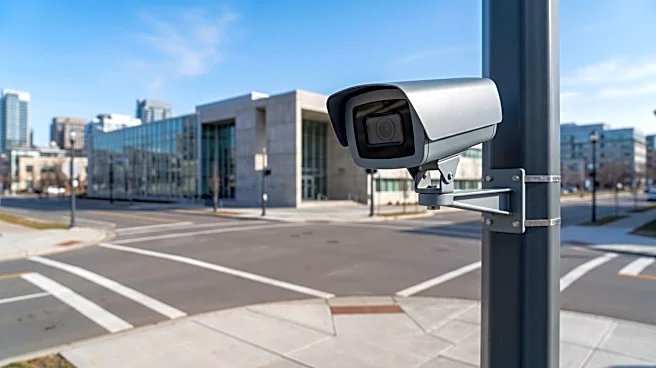
Flock Safety, a company providing advanced surveillance systems including automated license plate readers (ALPRs), is facing increasing backlash from privacy advocates and consumers. This criticism, initially directed at city governments, is now targeting
retail giants like Ulta Beauty, Lowe's, and Kroger, which utilize Flock's technology. Content creators and advocacy groups are actively campaigning against these partnerships, citing concerns over mass surveillance and potential misuse of data. While Flock Safety advertises its ALPRs as tools to deter and investigate crimes, including homicides, and states that its systems do not use facial recognition, critics point to reported instances of law enforcement misusing the technology to track individuals for personal reasons. An Ulta Beauty spokesperson stated that Flock cameras are deployed in less than 1% of its locations and are used to combat organized retail theft. However, advocacy groups argue that this does not justify tracking every customer.
Why It's Important?
The growing backlash against Flock Safety's ALPRs and their use by major U.S. retailers highlights a significant tension between security measures and individual privacy rights. For retailers, the controversy poses a reputational risk and could lead to consumer boycotts, impacting sales and brand loyalty. The debate also underscores broader societal anxieties about mass surveillance and the collection of personal data by both private companies and law enforcement. The reported misuses of ALPR data by law enforcement raise serious ethical and legal questions regarding data governance, accountability, and the potential for discriminatory practices. This situation could influence future regulatory discussions around AI-powered surveillance technologies and data privacy in commercial and public sectors, potentially leading to stricter guidelines or outright bans on certain applications.
What's Next?
The pressure on retailers like Ulta Beauty and Lowe's is expected to continue, with advocacy groups like Ultraviolet and Fight for the Future intensifying their campaigns. These groups are likely to organize more protests, petitions, and public awareness initiatives to urge companies to terminate their contracts with Flock Safety. The ongoing scrutiny could prompt more retailers to re-evaluate their use of ALPR technology, potentially leading to a reduction in deployments or a complete cessation of partnerships with Flock. Furthermore, the controversy may spur legislative action at local and state levels to regulate the use of ALPRs by both public and private entities, especially concerning data retention, sharing with law enforcement, and accountability for misuse. The outcome of these campaigns and potential regulatory responses will significantly shape the future landscape of surveillance technology in retail and public spaces.
Beyond the Headlines
Beyond the immediate concerns of privacy and retail partnerships, this situation touches upon the evolving ethical landscape of artificial intelligence and surveillance in a democratic society. The deployment of ALPRs by private companies, even for security purposes, blurs the lines between public and private surveillance, raising questions about who has access to this data and how it can be used. The 'shotgun to kill a fly' analogy used by critics highlights a fundamental concern: whether the broad collection of data on innocent individuals is a justifiable means to combat specific crimes. This debate could lead to a re-evaluation of the social contract surrounding technology, where the convenience and security offered by AI must be carefully balanced against fundamental rights to privacy and freedom from unwarranted observation. The long-term implications could include a shift in consumer expectations regarding data privacy from businesses and a demand for greater transparency and control over personal information.