






What's Happening?
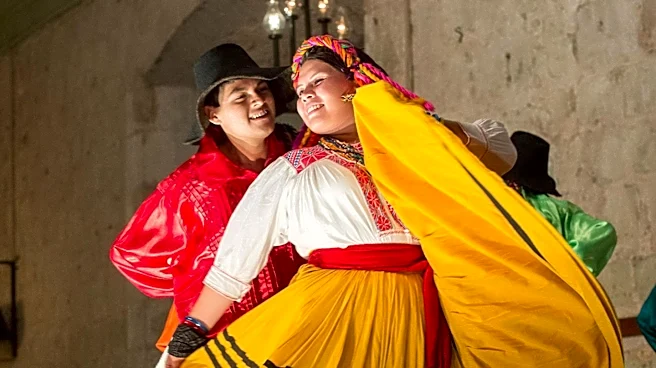
The Memorial Art Gallery in Rochester, N.Y., recently hosted its 31st annual Hispanic Heritage celebration, featuring vibrant cultural displays, music, and dancing. This year, community leaders integrated health outreach into the festivities, connecting
attendees with vital healthcare resources. Local wellness organizations were present in the gallery spaces to engage with the community. The initiative comes in response to recent data from the American Heart Association (AHA) indicating that cardiovascular disease has surpassed cancer as the leading cause of death among Hispanic adults in the United States. The AHA highlights that despite representing nearly one in five U.S. residents, Hispanic individuals are underrepresented in cardiovascular research and face unique health challenges influenced by language, culture, access to care, and social conditions. Event organizers, including guest programmer Rose Mary Villarrubia-Izzo, aimed to showcase these health organizations to both long-time community members and newcomers.
Why It's Important?
This event underscores a critical public health shift, as cardiovascular disease now poses a greater threat to Hispanic adults than cancer. The integration of health education and resources into a cultural celebration is a strategic approach to address health disparities within the Hispanic community. By bringing wellness organizations directly to community gatherings, it helps overcome barriers such as language, cultural taboos, and lack of awareness that often hinder access to healthcare. The underrepresentation of Hispanic individuals in cardiovascular research means that prevention and treatment strategies may not be adequately tailored to their specific needs. Therefore, local initiatives like this are crucial for raising awareness, encouraging early detection, and promoting preventative care, potentially saving lives and improving the overall health outcomes for a significant portion of the U.S. population. The personal testimony of attendees like Elias Maldonado, who shared his experience with a 90% clogged artery, further emphasizes the urgency and relevance of these outreach efforts.
What's Next?
Community advocates are expected to continue integrating health education and outreach into cultural traditions, aiming to make it a cornerstone of local events. The American Heart Association is actively working to advance culturally responsive care, support bilingual health education, and expand Hispanic representation in research. This suggests a broader, ongoing effort to address the systemic issues contributing to health disparities. Future initiatives may include more targeted health screenings, workshops on preventative measures, and increased collaboration between cultural institutions and healthcare providers. The goal is to foster a proactive approach to health within the Hispanic community, encouraging regular check-ups and early intervention to mitigate the rising rates of cardiovascular disease. Continued efforts will likely focus on making health information more accessible and culturally relevant to ensure better engagement and health outcomes.
Beyond the Headlines
The shift in leading causes of death among Hispanic adults from cancer to cardiovascular disease highlights a complex interplay of socio-economic, cultural, and systemic factors. This development calls for a deeper examination of healthcare access, dietary habits, stress levels, and genetic predispositions within the community. The event's focus on health within a cultural context also touches upon the ethical responsibility of public health initiatives to be culturally sensitive and inclusive. Addressing health taboos, as mentioned by cancer resource advocate Maria Delgado Sutton, is crucial for effective outreach. The long-term implications include the potential for a more holistic approach to community health, where cultural identity and well-being are intertwined. This model could serve as a blueprint for other communities facing similar health challenges, emphasizing the importance of community-led and culturally appropriate interventions to achieve equitable health outcomes.