






What's Happening?
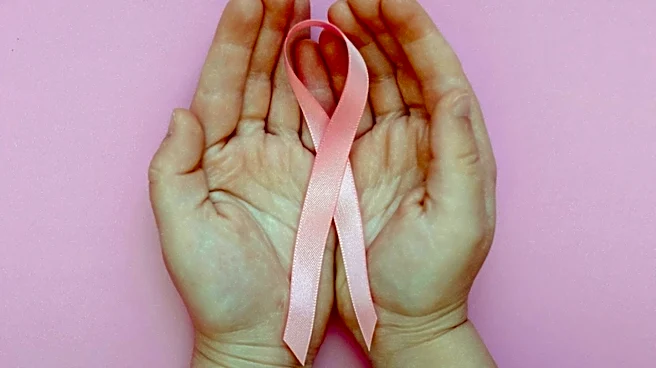
Alison McCullough, a model from Alaska, faced significant challenges in receiving timely treatment for an aggressive form of breast cancer. Initially, she struggled to get a diagnosis due to age-related screening guidelines and limited healthcare options
in Alaska. After being diagnosed with triple-negative breast cancer, a form that is difficult to treat due to the absence of certain receptors, McCullough faced further delays in starting chemotherapy. Concerned about the growing cancer and the wait times, she and her husband decided to seek treatment elsewhere. They contacted City of Hope, a cancer research and treatment organization, and quickly relocated to Phoenix, Arizona, where she began receiving treatment. McCullough underwent chemotherapy and a double mastectomy, and by May, she was declared cancer-free.
Why It's Important?
McCullough's story highlights the critical issues of healthcare accessibility and the challenges faced by patients in remote areas. Her experience underscores the importance of timely cancer diagnosis and treatment, which can significantly impact patient outcomes. The move to Arizona for treatment illustrates the disparities in healthcare availability and the lengths to which patients must sometimes go to receive adequate care. This case also brings attention to the specific challenges of treating triple-negative breast cancer, which lacks targeted therapies and requires aggressive treatment strategies. The story serves as a reminder of the need for improved healthcare infrastructure and support systems, particularly in underserved regions.
What's Next?
Following her successful treatment, McCullough plans to focus on recovery and spending time with her family. She intends to return to Alaska and resume her modeling career, using her platform to raise awareness about breast cancer and inspire others facing similar challenges. Her journey may also prompt discussions on healthcare policy, particularly regarding access to cancer treatment and the need for more comprehensive care options in remote areas. As McCullough shares her story, it could lead to increased advocacy for cancer research and support for patients navigating complex healthcare systems.