








What's Happening?
Acting Navy Secretary Hung Cao, recently appointed following the departure of John Phelan, addressed the Modern Day Marine conference in Washington, D.C. Cao, a retired Navy explosive ordnance disposal officer, emphasized the need for reform in military
acquisitions to prevent future conflicts from being fought with inadequate equipment. He highlighted the importance of developing equipment that would save the lives of American service members, referencing his own son, who is soon to be commissioned as a Marine Corps second lieutenant. Cao's remarks underscored a commitment to ensuring that future military engagements do not repeat the mistakes of past conflicts, such as those experienced during the Global War on Terror. He also expressed alignment with Phelan's vision for the 'Golden Fleet,' which focuses on a balanced approach to naval shipbuilding.
Why It's Important?
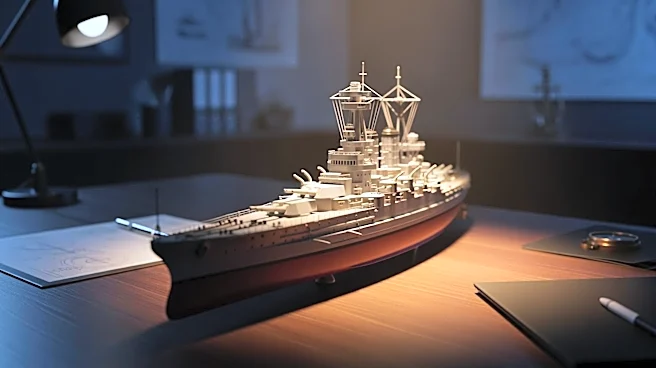
Cao's emphasis on reforming military acquisitions is significant as it addresses longstanding issues of equipment inadequacy that have plagued U.S. military operations. By advocating for better-preparedness and more strategic resource allocation, Cao aims to enhance the safety and effectiveness of U.S. forces. This approach could lead to more efficient use of defense budgets and potentially save lives by ensuring that military personnel are better equipped for modern warfare. The focus on the 'Golden Fleet' and the nascent Trump-class battleship suggests a shift towards a more versatile and adaptive naval force, which could have implications for U.S. military strategy and global naval dominance.
What's Next?
Cao's call for reform is likely to prompt discussions within the Pentagon and among defense contractors about the future of military acquisitions. The emphasis on the 'Golden Fleet' may lead to increased investment in naval capabilities and innovation in shipbuilding. Stakeholders, including military leaders and policymakers, will need to consider how to implement these reforms effectively. The potential for changes in defense procurement processes could also impact defense contractors and the broader defense industry, as they adapt to new requirements and priorities set by the Navy.