

What's Happening?
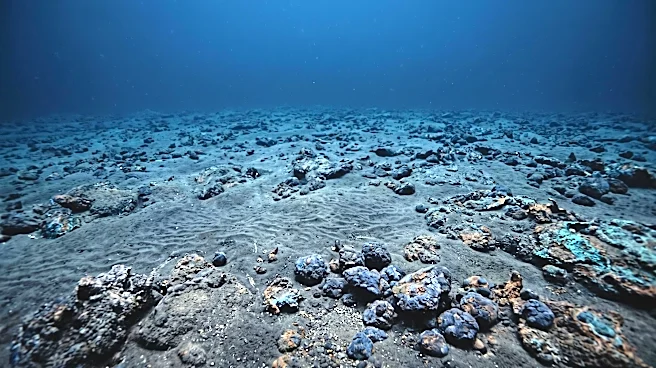
On November 19, the U.S. Marine Minerals Administration is scheduled to auction mineral rights for approximately 31.5 million acres of seabed near American Samoa. The auction involves two distinct areas with minimum bids of $3 million each, offering 20-year
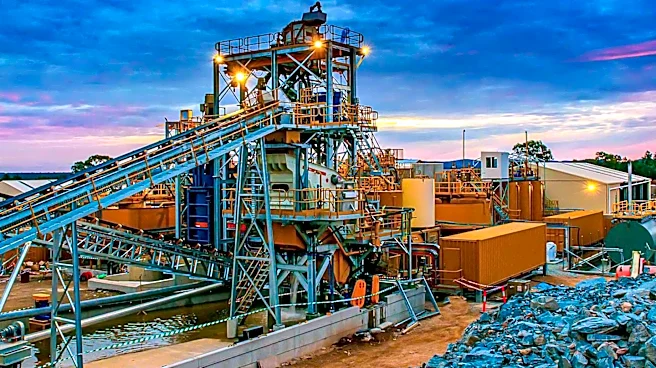
lease terms. While this auction marks a progression in federal mineral leasing, experts caution that securing a lease does not equate to establishing a commercially viable seabed mining operation. The winning bidder will gain the right to conduct preliminary studies and seek further permissions, but commercial harvesting requires additional plans and approvals. The lease itself does not guarantee the existence of recoverable reserves, efficient collection methods, viable processing plants, or profitable metal sales. The announcement is being framed as a critical-minerals milestone for the U.S., but the technical and economic feasibility of deep-sea mining in this region remains highly unfavorable, according to independent assessments.
Why It's Important?
This auction is significant as it advances the U.S. government's efforts in mineral leasing, potentially signaling a push towards securing critical minerals from domestic or near-shore sources. However, the distinction between a government lease and a profitable mining project is crucial for investors and policymakers. While the lease offers speculative value and an opportunity for further exploration, it does not address the fundamental challenges of deep-sea mining, such as the high costs of collection, processing, and the uncertainty of market prices for the extracted metals. The lack of established commercially recoverable reserves and proven, cost-effective technologies means that any investment beyond the lease itself carries substantial risk. This development highlights the ongoing tension between the strategic need for critical minerals and the economic and environmental hurdles associated with novel extraction methods.
What's Next?
Following the auction, the winning bidders will proceed with preliminary work, which may include mapping and further geological surveys of the leased areas. However, any physical exploration, testing, or actual mining operations will necessitate additional plans and approvals from regulatory bodies. Stakeholders, including environmental groups and local communities in American Samoa, are likely to closely monitor these developments. The government of American Samoa has supported scientific investigation but has not yet endorsed commercial extraction, and a lawsuit filed by Samoan chiefs and community groups is contesting the federal process. Future steps will involve extensive environmental impact assessments and technological advancements to demonstrate the economic viability and environmental safety of deep-sea mining, which are currently considered highly unlikely within the next 15 years.
Beyond the Headlines
The auction of seabed mineral rights near American Samoa raises profound ethical, legal, and environmental questions beyond the immediate economic considerations. The legal challenge from Samoan chiefs and community groups underscores the complex issues of territorial rights and indigenous sovereignty in resource extraction. Environmentally, while the current lease only permits preliminary activities, the potential for future commercial mining poses significant risks to fragile deep-sea ecosystems, which are still largely unexplored and understood. The long-term implications involve not only the direct impact of mining on marine biodiversity but also the broader precedent set for deep-sea resource exploitation. This event highlights the global debate on balancing the demand for critical minerals, essential for green technologies, with the imperative to protect marine environments and respect local community rights.