





What's Happening?
Iran has experienced its fifth and longest internet blackout, significantly impacting communication and economic activities. The blackout, imposed during ongoing conflicts, has disrupted daily life and business operations, with severe economic consequences.
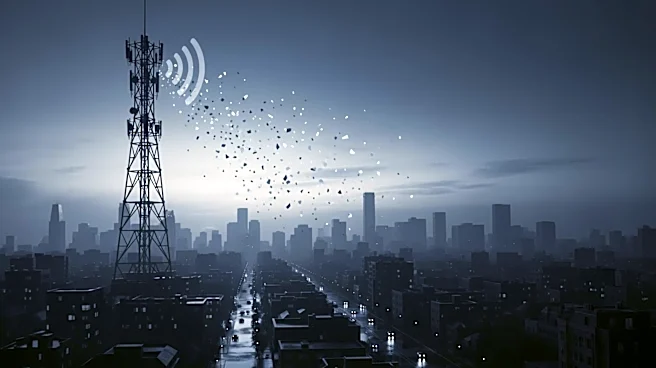
Iranian authorities maintained a domestic intranet for essential services but restricted broader internet access. The blackout has highlighted the regime's control over information and its impact on human rights. New technologies, such as direct-to-cell (D2C), are being explored as potential solutions to bypass such restrictions in the future.
Why It's Important?
The internet blackout in Iran has had profound economic implications, with daily losses estimated at $80 million. The disruption has particularly affected businesses reliant on social media platforms like Instagram, which many Iranians use for commerce. The blackout also underscores the regime's use of internet control as a tool for suppressing dissent and managing its public image. The situation has drawn international attention to the need for technological solutions that can ensure uninterrupted communication, even in authoritarian regimes.
What's Next?
The development and deployment of D2C technology could provide a means to circumvent internet shutdowns, offering a more resilient communication infrastructure. However, this technology faces regulatory challenges and potential opposition from authoritarian governments. International advocacy and cooperation will be crucial in promoting open communication channels and protecting human rights. The Iranian regime's continued use of internet blackouts as a control mechanism may lead to further international scrutiny and calls for action.