







What's Happening?
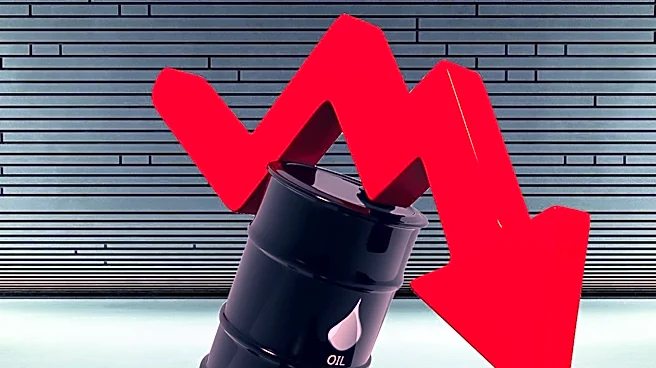
The U.S. Strategic Petroleum Reserve (SPR), a critical buffer against severe oil supply disruptions, has fallen to approximately 316.5 million barrels, marking its lowest level since 1983. This decline follows a series of coordinated releases aimed at stabilizing
global energy markets amid the Iran conflict. The SPR, initially created after the 1973 Arab oil embargo, has historically served as an insurance policy for the U.S. economy, providing emergency supplies during geopolitical crises, natural disasters, or unexpected production outages. The recent drawdowns have sparked debate over the reserve's current state, with critics highlighting increased geopolitical risks and supporters arguing that the reserve has effectively cushioned supply disruptions during recent geopolitical shocks.
Why It's Important?
The depletion of the SPR raises significant concerns about U.S. energy security and strategic preparedness. As global energy markets face increased volatility, the reserve's diminished capacity could limit the U.S.'s ability to respond to future supply disruptions. The need to rebuild the SPR introduces additional demand for crude oil, potentially impacting global oil prices and market dynamics. This situation underscores the importance of maintaining robust energy reserves and infrastructure to ensure resilience against geopolitical and economic shocks. The SPR's current state also highlights the broader challenges of balancing emergency supply needs with long-term strategic energy policies.
What's Next?
Replenishing the SPR will be a critical focus for U.S. energy policy in the coming years. This process involves not only replacing the depleted barrels but also modernizing the reserve's aging infrastructure to ensure rapid deployment capabilities in future crises. The rebuilding effort is expected to create additional demand for crude oil, influencing global market dynamics and potentially supporting crude prices. As geopolitical tensions continue to shape energy markets, the U.S. will need to prioritize strategic energy security measures, including enhancing storage, refining, and transportation infrastructure to mitigate future risks.
Beyond the Headlines
The current state of the SPR highlights the evolving nature of U.S. energy security, which now depends on a complex network of production, storage, and distribution systems. The U.S.'s transformation into a leading oil producer and exporter has reduced its reliance on foreign imports, yet the need for a strategic reserve remains critical. The SPR's role in energy security extends beyond mere inventory levels, emphasizing the importance of a resilient and integrated energy infrastructure capable of withstanding global market disruptions. This situation presents opportunities for companies involved in energy infrastructure and services, as governments prioritize rebuilding reserves and strengthening supply security.