





What's Happening?
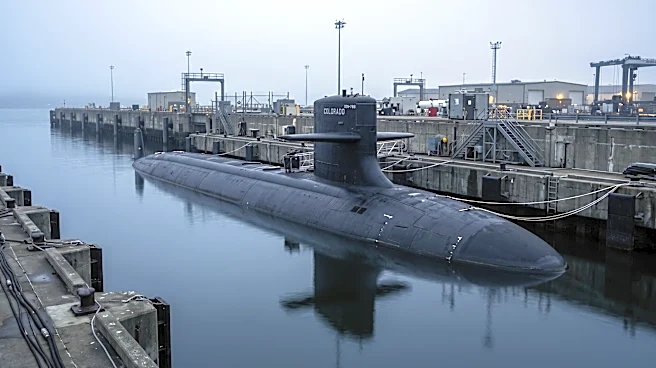
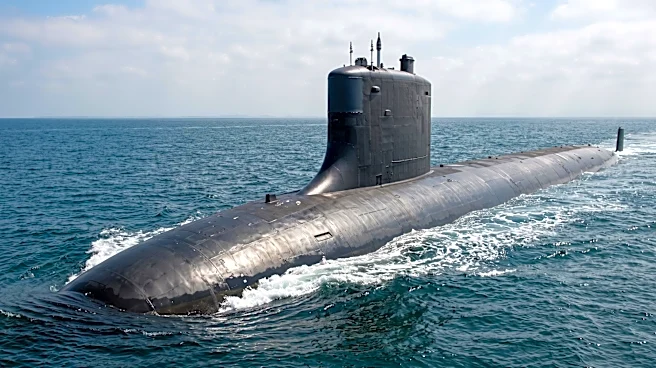
The U.S. Navy has indicated active cooperation with South Korea's pursuit of nuclear-powered submarines, according to Representative Jin Sung-joon, chairman of the National Assembly's National Defense Committee. Following meetings with U.S. Indo-Pacific
Command officials in Hawaii, Jin reported that Admiral Stephen T. Koehler, commander of the U.S. Pacific Fleet, stated that South Korea's acquisition of such submarines could enhance the alliance between the two nations. Admiral Koehler affirmed that the U.S. would actively cooperate if a policy decision is reached between the two countries. The U.S. Pacific Fleet also expressed interest in expanding defense industry cooperation in shipbuilding with South Korea. Discussions also covered the transfer of wartime operational control, with U.S. officials confirming that the existing condition-based agreement remains unchanged. The U.S. side also assessed the situation on the Korean Peninsula as relatively stable despite recent North Korean military activities.
Why It's Important?
This development signifies a potential strengthening of the U.S.-South Korea alliance and could significantly alter the regional power balance in the Indo-Pacific. South Korea's acquisition of nuclear submarines would enhance its defense capabilities, particularly in deterring potential aggression from North Korea and other regional actors. For the U.S., supporting this move could deepen military interoperability and burden-sharing with a key ally, aligning with its broader strategy to maintain stability in a strategically vital region. The expansion of defense industry cooperation in shipbuilding could also create economic opportunities for both nations, fostering technological exchange and joint development. However, such a move could also be viewed with concern by neighboring countries, potentially leading to an arms race or increased regional tensions, impacting U.S. diplomatic efforts in the area.
What's Next?
The next steps involve a policy decision between South Korea and the United States regarding the nuclear submarine program. Should both nations agree, active cooperation from the U.S. Navy would follow, potentially including technological assistance, training, and joint development in shipbuilding. The ongoing discussions about the transfer of wartime operational control will continue, with both sides maintaining the existing condition-based agreement. The U.S. will also continue to monitor the stability of the Korean Peninsula, particularly in light of North Korea's military actions. Further engagement between U.S. and South Korean defense officials is expected to iron out the details of expanded defense industry cooperation and the specifics of any submarine program. The U.S. midterm election results are not expected to impact the long-standing bilateral agreement on wartime operational control.
Beyond the Headlines
The potential for South Korea to acquire nuclear-powered submarines raises significant geopolitical implications beyond immediate defense capabilities. It could set a precedent for other U.S. allies seeking similar advanced military assets, potentially leading to a proliferation of nuclear propulsion technology. While the U.S. has expressed support, the ethical and strategic considerations of such a transfer are complex, particularly concerning non-proliferation treaties and regional stability. The move could also deepen South Korea's strategic autonomy, allowing it to project power more independently, which could subtly shift the dynamics of its alliance with the U.S. The emphasis on shipbuilding cooperation also highlights a broader trend of industrial collaboration in defense, moving beyond simple arms sales to more integrated technological partnerships, which could have long-term economic and strategic benefits for both countries.