




What's Happening?
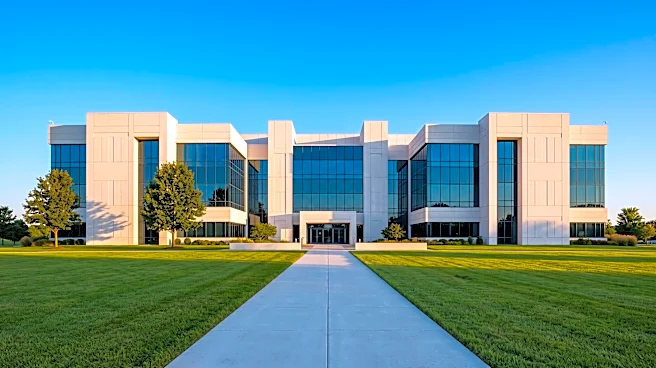
NASA's Johnson Space Center in Houston is home to the Dexterous Robotics Team, which is actively developing robotic hardware and software to enhance human spaceflight. The team's primary goal is not to replace human explorers but to make human exploration
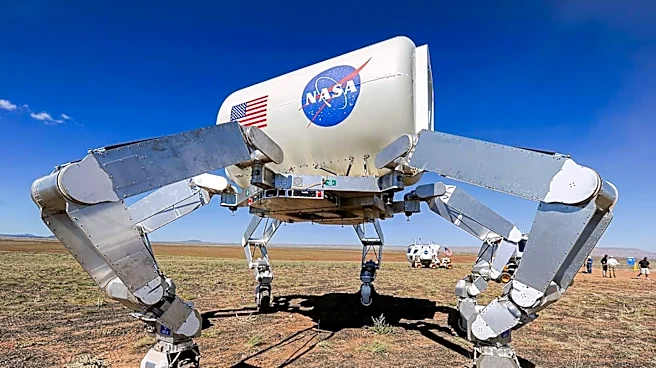
safer and more sustainable by creating highly capable, reliable, and trustworthy robots for extreme environments. Shaun Azimi, the Dexterous Robotics Team lead, emphasizes that these robots will reduce risk and increase human effectiveness in space. The 16-member team, part of NASA's Robotic System Technology Branch, focuses on robots that can perform tasks requiring human-like dexterity. Their work builds upon the legacy of previous humanoid robots like Robonaut 2 and Valkyrie. The team supports various agency projects, including those related to building a Moon Base, and collaborates with private industry partners facing similar challenges in harsh environments. A major development is the Integrated Mobile Evaluation Testbed for Robotics Operations (iMETRO) facility at Johnson, which supports the adaptation of terrestrial robotic technologies for human-supervised space exploration applications such as logistics, maintenance, and scientific research. iMETRO offers open-source software, simulation assets, space vehicle and habitat mockups, and an outdoor rock yard for testing.
Why It's Important?
The advancements by NASA's Dexterous Robotics Team are crucial for the future of human space exploration, particularly for ambitious missions to the Moon and Mars. By developing robots that can work alongside astronauts, NASA aims to significantly enhance crew performance and productivity while simultaneously reducing the inherent risks of operating in hazardous space environments. These robots can undertake dangerous or repetitive tasks, freeing astronauts to focus on more complex scientific and exploratory endeavors. The iMETRO facility is a vital asset, providing a realistic testing ground for robotic technologies, ensuring their reliability and effectiveness before deployment in space. This facility also fosters collaboration between NASA and external partners, accelerating the development and integration of cutting-edge robotics. The focus on dexterous robots capable of intricate tasks is a game-changer, as it allows for more sophisticated operations and maintenance in space, ultimately making long-duration missions more feasible and safer. This work positions the U.S. at the forefront of robotic innovation for space applications, with potential spin-off benefits for terrestrial industries requiring automation in challenging conditions.
What's Next?
The Dexterous Robotics Team will continue to refine and develop robotic hardware and software, with a near-term emphasis on technologies that can support a sustained human presence on the lunar surface. This includes further testing and integration of robotic systems within the iMETRO facility, adapting terrestrial technologies for space exploration applications like logistics and maintenance. The team is also collaborating with other NASA organizations on an upcoming challenge that will invite public ideas for technology solutions specifically for Mars exploration. This indicates a clear trajectory towards applying these robotic advancements to future crewed missions to the Red Planet. Continued partnerships with private industry will likely lead to further innovation and the transfer of robotic technologies between space and commercial sectors. The ongoing work aims to ensure that robots can effectively perceive the world and interact with objects in space, making human-robot collaboration an increasingly seamless and integral part of future space endeavors.
Beyond the Headlines
The work of the Dexterous Robotics Team at Johnson Space Center has profound implications beyond merely assisting astronauts in space. It represents a paradigm shift in how humanity approaches exploration and work in extreme environments. The development of highly capable and reliable robots not only enhances safety and efficiency in space but also pushes the boundaries of artificial intelligence and automation. The ethical and philosophical questions surrounding human-robot collaboration, particularly in high-stakes environments, are implicitly addressed by the team's focus on robots as enablers rather than replacements for humans. This approach ensures that human ingenuity and decision-making remain central to exploration while leveraging robotic capabilities for support. Furthermore, the technologies developed for space robotics often find unexpected applications on Earth, from disaster response and hazardous material handling to advanced manufacturing and healthcare. The long-term vision of a Moon Base and Mars missions, supported by these dexterous robots, signifies a future where humanity's reach is extended through intelligent machines, fundamentally altering our relationship with technology and the cosmos.