









What's Happening?
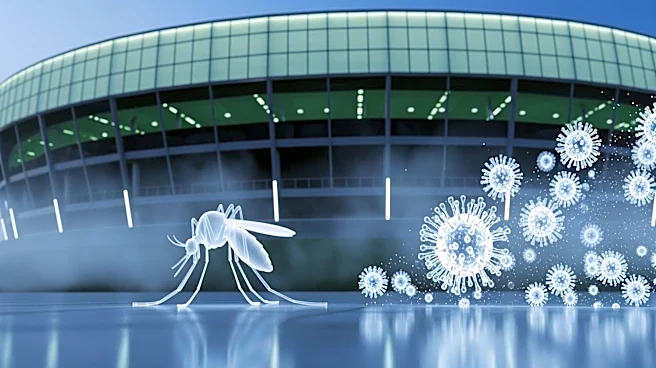
The 2026 FIFA World Cup, set to take place across 16 cities in the United States, Canada, and Mexico, is raising concerns among health experts about the potential spread of infectious diseases. The event, which will draw millions of fans, creates an environment
conducive to the transmission of diseases such as dengue, yellow fever, and the Oropouche virus, particularly in southern U.S. and Mexican host cities during peak mosquito season. Dengue cases in the U.S. reached a record high in 2024, with a significant increase in locally acquired cases. Additionally, respiratory infections like measles, flu, and COVID-19 are expected to pose significant risks due to the large gatherings. The U.S. has implemented travel restrictions and health monitoring to mitigate these risks.
Why It's Important?
The potential spread of infectious diseases during the World Cup could have significant public health implications. The influx of international travelers increases the risk of introducing and spreading diseases not commonly found in the U.S., such as yellow fever and the Oropouche virus. This situation tests the resilience of public health systems, which have faced budget cuts in recent years. The event also highlights the need for robust disease surveillance and preventive measures to protect both local populations and international visitors. The economic impact could be substantial if outbreaks occur, affecting tourism and healthcare systems.
What's Next?
Health authorities in the U.S., Canada, and Mexico are ramping up monitoring efforts to manage potential outbreaks during the World Cup. Travelers are advised to ensure their vaccinations are up to date and to take precautions such as using mosquito repellent and practicing safe hygiene. The situation will require ongoing vigilance from public health officials to quickly identify and contain any outbreaks. The event serves as a critical test of international cooperation in managing global health threats.