




What's Happening?
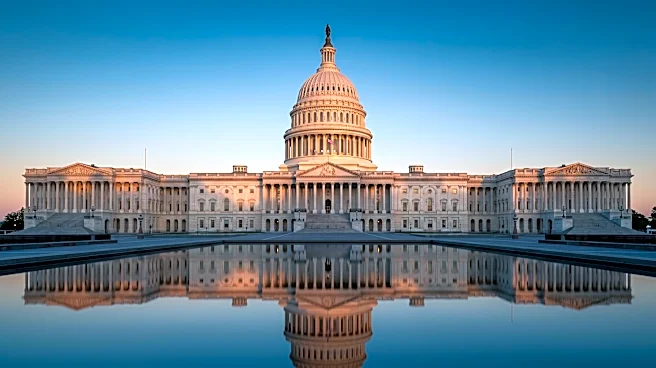
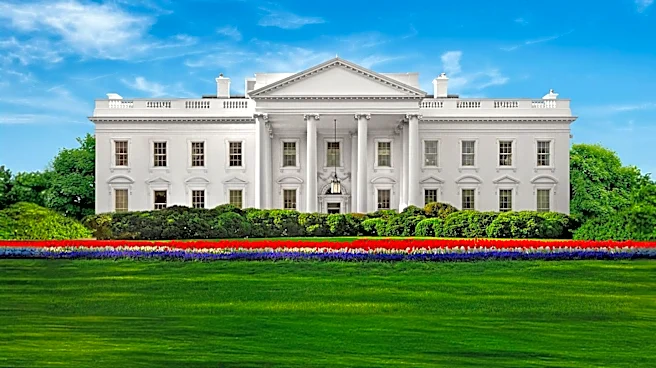
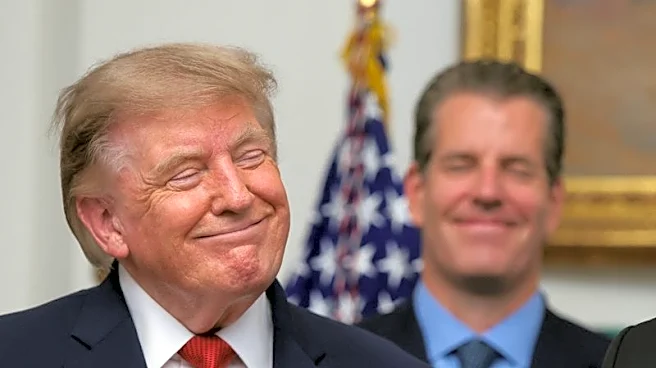
Washington has seen a surge in cryptocurrency-related activity, with President Trump hosting crypto executives at the White House and urging Congress to pass a 'fair version' of the Clarity Act. This bipartisan bill aims to provide regulatory clarity
for the crypto industry, but its progress is currently hindered by disputes over ethics provisions that President Trump believes unfairly target him. Concurrently, the SEC has formally proposed Regulation Crypto Assets, a new framework designed to facilitate crypto fundraising in the U.S. This proposal would permit certain offerings up to $5 million over four years or $75 million annually without requiring full SEC registration, and it includes a conditional safe harbor for crypto assets once an issuer's managerial efforts conclude. Meanwhile, CFTC Chairman Mike Selig, during the inaugural Innovation Advisory Committee meeting, emphasized the importance of the Clarity Act to prevent regulatory overreach. However, Selig also warned that if the Clarity Act faces continued 'Democratic obstruction,' the CFTC is prepared to utilize its existing authorities to establish its own crypto regulatory regime, having already instructed staff to explore such rules.
Why It's Important?
This concentrated activity in Washington signals a critical juncture for cryptocurrency regulation in the United States. The push for the Clarity Act, coupled with the SEC's new proposal and the CFTC's proactive stance, indicates a growing recognition of the need for a comprehensive regulatory framework for digital assets. The outcome of these legislative and regulatory efforts will significantly impact the U.S. crypto industry, potentially fostering innovation and attracting companies back to the U.S., or conversely, creating an environment of uncertainty if consensus is not reached. The debate over the Clarity Act's ethics provisions highlights the ongoing tension between promoting economic growth in a nascent industry and ensuring accountability and preventing conflicts of interest, particularly for public officials. The CFTC's warning of independent action underscores the urgency for Congress to act, as regulatory agencies are prepared to step in if legislative progress stalls, potentially leading to a fragmented regulatory landscape.
What's Next?
The immediate next step involves the ongoing negotiations and a forthcoming Senate vote on the Clarity Act. The resolution of the ethics provisions, which President Trump views as unfairly targeting him, will be crucial for the bill's passage. If the Clarity Act fails to pass due to political disagreements, the CFTC is poised to move forward with its own regulatory framework for crypto asset markets, having already initiated the process of exploring such rules. The SEC's proposed Regulation Crypto Assets will undergo a public comment period before potential finalization, which could significantly alter how crypto fundraising is conducted in the U.S. The interplay between these legislative and regulatory initiatives will shape the future of the crypto industry, determining the level of clarity, oversight, and innovation that will characterize the U.S. digital asset market in the coming years. Stakeholders, including crypto executives and financial institutions, will closely monitor these developments for their impact on market operations and investment strategies.
Beyond the Headlines
The intensified focus on cryptocurrency regulation in Washington reflects a deeper societal and economic shift towards digital assets, challenging traditional financial paradigms and regulatory structures. The debate over the Clarity Act and the actions of the SEC and CFTC are not merely about financial rules; they represent a broader struggle to define the role of government in a rapidly evolving technological landscape. This situation raises profound questions about the balance between fostering innovation and protecting consumers and investors, as well as the extent to which existing legal frameworks can adapt to new technologies. The potential for a fragmented regulatory approach, with different agencies asserting jurisdiction, could create complexities for businesses and hinder the U.S.'s competitiveness in the global crypto market. Ultimately, the decisions made in Washington today will have long-lasting implications for the future of finance, technology, and the regulatory state, shaping how digital assets are integrated into the broader economy and society.