







What's Happening?
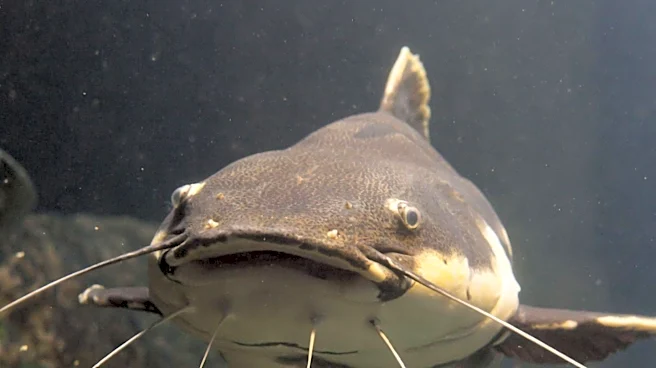
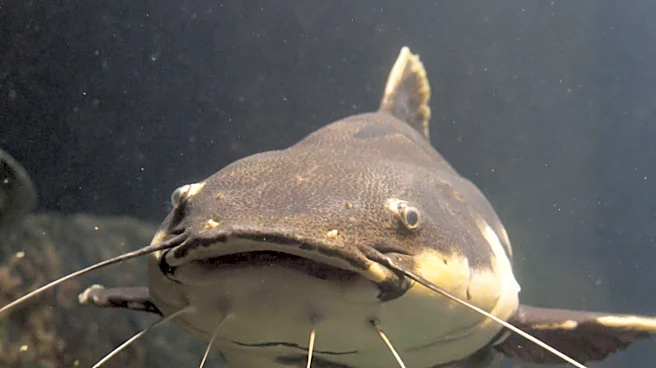
An international team of researchers has identified a transmissible melanoma in the brown catfish (Ameiurus nebulosus), marking the first documented case of such a cancer in fish and in a freshwater ecosystem. This discovery was made after an unusually
high number of catfish with black lesions were found in Lake Memphremagog, a body of water straddling Vermont and Quebec. Initial suspicions pointed to environmental pollutants as the cause, possibly linked to flooding from Tropical Storm Irene in 2011. However, genetic analyses revealed that the tumors were more closely related to each other than to the host fish, suggesting a single original cancer that spread among the fish. This finding was published in the journal Nature.
Why It's Important?
The discovery of a contagious cancer in catfish has significant implications for environmental health and the ecosystems of freshwater bodies. Lake Memphremagog, which supplies drinking water to over 175,000 people, could be at risk if the cancer affects the fish population's health and biodiversity. This phenomenon also raises concerns about the potential for similar occurrences in other species and ecosystems, highlighting the need for ongoing environmental monitoring and research. The study underscores the complex interactions between environmental factors and wildlife health, potentially influencing public health policies and conservation strategies.
What's Next?
Further research is needed to understand the mechanisms behind the transmission of this cancer and its potential impact on other species and ecosystems. Environmental agencies may need to increase monitoring efforts in affected areas to prevent further spread and assess the health of aquatic ecosystems. Additionally, there may be a push for more stringent regulations on pollutants and environmental protections to safeguard against similar occurrences in the future.