

What's Happening?
Nairobi, Kenya, recently hosted the tenth Wildlife Inter-Regional Enforcement (WIRE) Forum from November 3 to 6, 2026. This significant event was organized by the United Nations Office on Drugs and Crime (UNODC) in collaboration with Kenya’s Office of
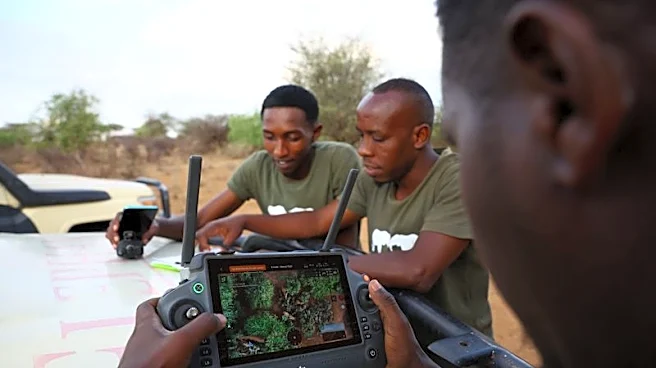
the Director of Public Prosecutions (ODPP). The forum convened over 150 participants from 42 countries, including law enforcement and criminal justice practitioners, wildlife and environmental authorities, policymakers, and international partners. The primary objective was to enhance international cooperation in combating illegal wildlife trade, which often spans multiple countries and requires coordinated efforts. Discussions focused on sharing information regarding wildlife trafficking trends, ongoing investigations, and enforcement operations. The forum also facilitated bilateral and multilateral meetings to establish contact points between national authorities and identify opportunities for joint operations, including the repatriation of seized endangered species.
Why It's Important?
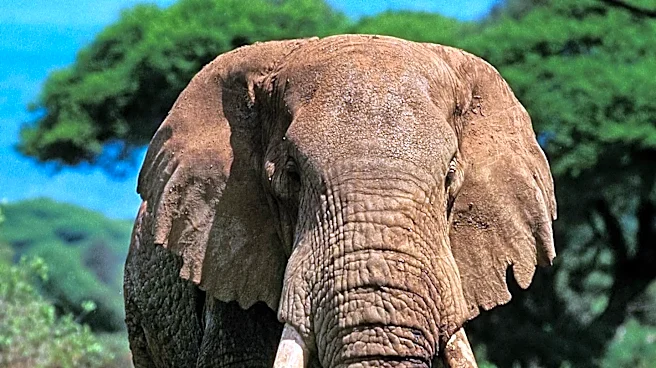
The WIRE Forum plays a crucial role in strengthening global efforts against wildlife crime, which is a multi-billion dollar illicit industry that threatens biodiversity and national security. By connecting source, transit, and destination countries across continents, the forum fosters trust and collaboration among law enforcement agencies. This international cooperation is essential for dismantling complex criminal networks and supply chains involved in illegal wildlife trade. The exchange of information and coordination of strategies, as highlighted by participants like Mr. Johannes Kalipi from Namibia, directly leads to successful enforcement actions, such as the repatriation of controlled wildlife products. The forum's focus on Africa-Asia cooperation in combating rhino horn trafficking underscores the importance of targeted regional strategies against highly organized wildlife crime.
What's Next?
The outcomes of the tenth WIRE Forum are expected to lead to increased intelligence sharing and more coordinated enforcement operations among participating nations. The establishment of new contact points and the identification of opportunities for joint actions will likely result in a more robust global response to wildlife trafficking. Future efforts will likely build on the successes and lessons learned from this forum, with continued emphasis on strengthening partnerships between countries along trafficking routes. The ongoing commitment to these forums suggests a sustained international effort to adapt to evolving wildlife crime tactics and enhance the capacity of national authorities to combat these illicit activities effectively.
Beyond the Headlines
Beyond the immediate enforcement actions, the WIRE Forum addresses deeper implications related to environmental conservation, economic stability, and governance. Illegal wildlife trade often fuels corruption, undermines the rule of law, and can be linked to other forms of organized crime, including money laundering and drug trafficking. By strengthening international cooperation, the forum contributes to broader efforts to promote good governance and combat transnational organized crime. Furthermore, the protection of endangered species and ecosystems has long-term benefits for biodiversity, climate resilience, and sustainable development, impacting global ecological balance and the livelihoods of communities dependent on natural resources.