



What's Happening?
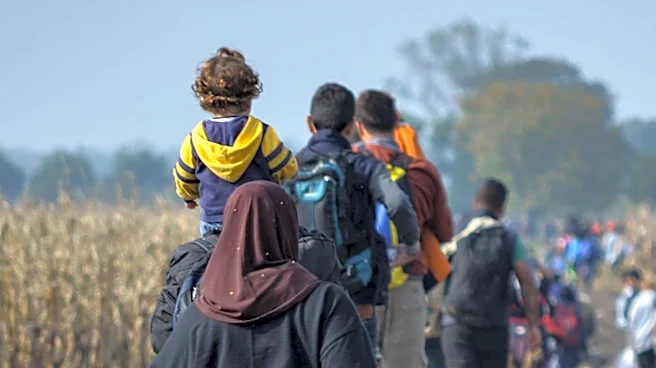
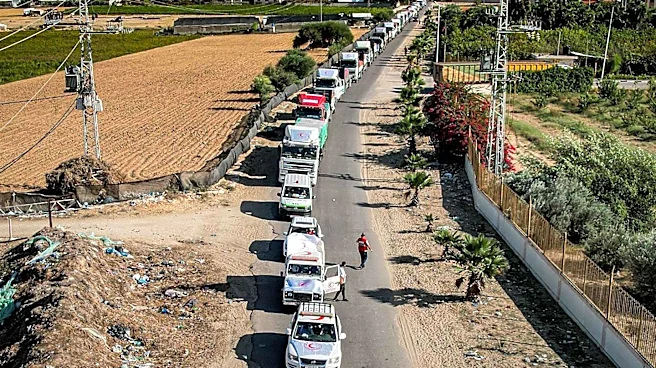
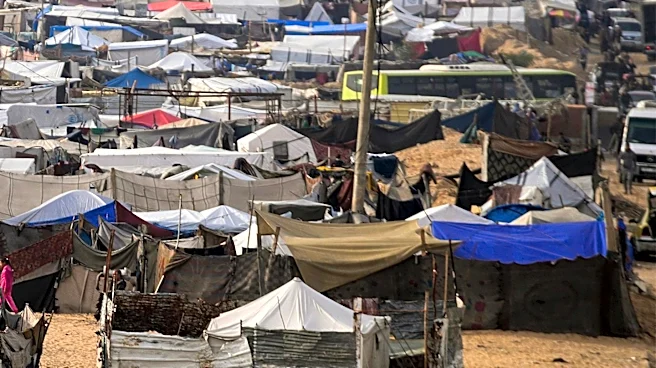
The global refugee crisis remains a critical humanitarian issue, exacerbated by ongoing conflicts and severe funding shortfalls. In Sudan, a brutal war has led to the displacement of millions, with over 5.2 million people returning to their areas of origin,
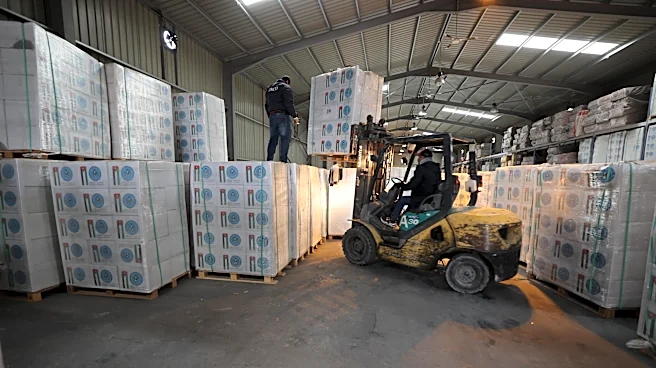
only to find their homes destroyed or looted. Essential services like healthcare, electricity, and water are largely unavailable, forcing many to flee again. Humanitarian organizations, including the UN refugee agency (UNHCR) and the International Organization for Migration (IOM), report that they can only assist about one in ten of those in need due to significant funding gaps. For instance, Sudan's 2026 Humanitarian Needs and Response Plan has only received 47% of its required $2.9 billion. Emergency supplies are critically low, with warehouses empty after distributing over 40,000 tonnes of relief assistance this year. The situation is further complicated by El Niño-related weather conditions, causing below-average rainfall and impacting harvests, leading to persistently high food prices.
Why It's Important?
The escalating global refugee crisis has profound implications for international stability and humanitarian efforts. The inability of aid organizations to meet basic needs due to funding shortages means millions remain vulnerable to harsh conditions, insecurity, violence, and exploitation. The displacement in Sudan, for example, is not only a domestic crisis but also has regional and international repercussions, as Sudanese nationals are increasingly seeking refuge in Europe via the Eastern Mediterranean route. This places additional strain on neighboring countries and international asylum systems. The crisis highlights the urgent need for sustained international funding and coordinated responses to prevent further destabilization and humanitarian catastrophe. The lack of basic services in areas of return also impedes long-term recovery and reintegration, perpetuating cycles of displacement and dependency.
What's Next?
Without immediate and flexible funding, humanitarian agencies warn that more families will face severe conditions during the upcoming winter months, unprotected from harsh weather, insecurity, and exploitation. The UN refugee agency and IOM emphasize that increased financial support is crucial to prevent further suffering and displacement. Efforts will likely continue to focus on advocating for greater international aid and improving access to affected populations. Organizations like Plan International are seeking strong humanitarian leaders to drive global humanitarian strategies, strengthen organizational readiness, and build strategic partnerships with governments, donors, and UN agencies to increase influence and impact. Additionally, initiatives like the 'Interwoven: Sounds and Visions from the World’s Refugee Camps' exhibition aim to raise awareness and foster resilience among displaced communities through art and cultural programs.
Beyond the Headlines
The global refugee crisis extends beyond immediate humanitarian aid, touching upon deeper issues of human dignity, cultural preservation, and the transformative power of resilience. Exhibitions like 'Interwoven: Sounds and Visions from the World’s Refugee Camps' highlight the creative spirit and cultural heritage of displaced communities, offering a counter-narrative to the often-singular focus on suffering. These initiatives demonstrate how art and music can serve as vital tools for healing, community building, and maintaining identity amidst profound loss. Furthermore, the participation of refugee teams in international sports events, such as the Youth Olympic Games, challenges perceptions of displacement, showcasing the talent and ambition of young refugees. These broader engagements underscore the importance of holistic approaches that address not only physical needs but also the psychological, social, and cultural well-being of displaced populations, fostering long-term integration and empowerment.