




What's Happening?
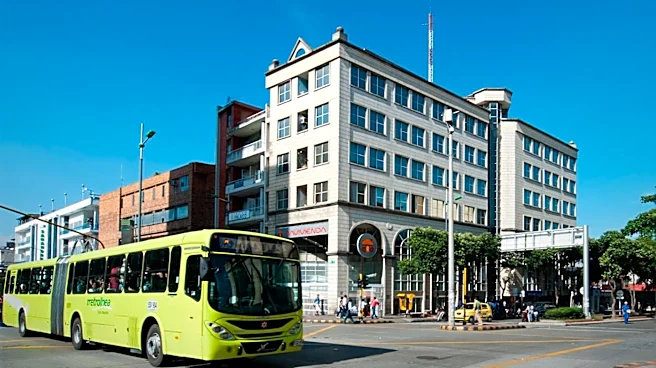
VIA Metropolitan Transit is developing the Rapid Green Line, a new bus service designed to significantly enhance downtown travel in San Antonio. This initiative aims to provide a faster and more reliable public transportation option, connecting key destinations
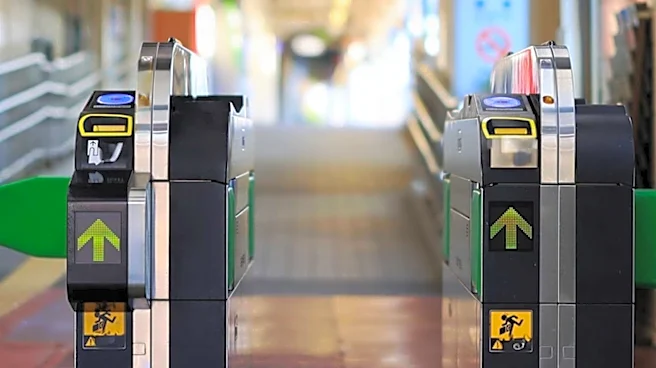
across the city. Construction is currently underway along San Pedro Avenue, focusing on infrastructure improvements to ensure efficient bus movement through busy corridors. Once completed, the Rapid Green Line will feature dedicated bus lanes, reducing delays caused by traffic congestion. The service is projected to operate every 10 minutes during peak hours, and traffic signal priority technology will be implemented to expedite bus travel through intersections. Additionally, riders will have the option to pay their fare before boarding, which is expected to minimize stop times and help maintain the service's schedule. VIA officials emphasize that these upgrades are intended to make public transportation more convenient and accessible for both residents and visitors in San Antonio.
Why It's Important?
The introduction of the VIA Rapid Green Line holds significant importance for San Antonio's urban development and the daily lives of its residents and visitors. By offering a faster and more reliable bus service, the project is poised to alleviate traffic congestion in downtown areas, potentially reducing commute times and improving air quality. Enhanced public transportation accessibility can also stimulate economic activity by making it easier for people to reach businesses, cultural attractions, and employment centers. For individuals, this means a more efficient and potentially more affordable alternative to private vehicle ownership, contributing to household savings and reducing the stress associated with driving and parking. The project also aligns with broader urban planning goals of promoting sustainable transportation and creating more livable cities. The success of the Rapid Green Line could serve as a model for other U.S. cities looking to modernize their public transit systems and address growing transportation challenges.
What's Next?
As construction on the VIA Rapid Green Line progresses, the immediate next steps involve the continued development of infrastructure along San Pedro Avenue. VIA officials are encouraging residents to stay informed about ongoing traffic impacts and project updates, indicating a commitment to transparency during the construction phase. Upon completion of the construction, the focus will shift to the launch of the new bus service. This will involve testing the dedicated lanes, traffic signal priority technology, and the pre-boarding fare payment system to ensure smooth operations. Public awareness campaigns will likely be rolled out to inform potential riders about the new routes, schedules, and benefits of the Rapid Green Line. The project's success will be measured by its ability to attract ridership, reduce travel times, and improve overall public transportation efficiency in San Antonio. Future expansions or similar projects in other parts of the city could be considered based on the performance and public reception of this initial phase.
Beyond the Headlines
The VIA Rapid Green Line project in San Antonio represents a broader trend in U.S. urban planning towards investing in efficient and sustainable public transportation solutions. Beyond the immediate benefits of reduced traffic and improved accessibility, such initiatives can foster a more connected and equitable city. By making public transit a more attractive option, the project could encourage a shift away from car dependency, leading to long-term environmental benefits and a reduction in urban sprawl. Furthermore, improved public transportation can enhance social equity by providing reliable access to jobs, education, and healthcare for all segments of the population, including those who may not own private vehicles. The integration of technology, such as traffic signal priority, also highlights a growing reliance on smart city solutions to optimize urban infrastructure. This project could influence future policy decisions regarding urban development, infrastructure funding, and the role of public transit in shaping the future of American cities.