





What's Happening?
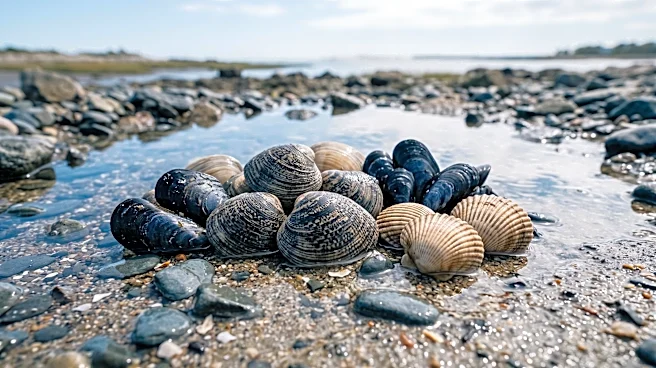
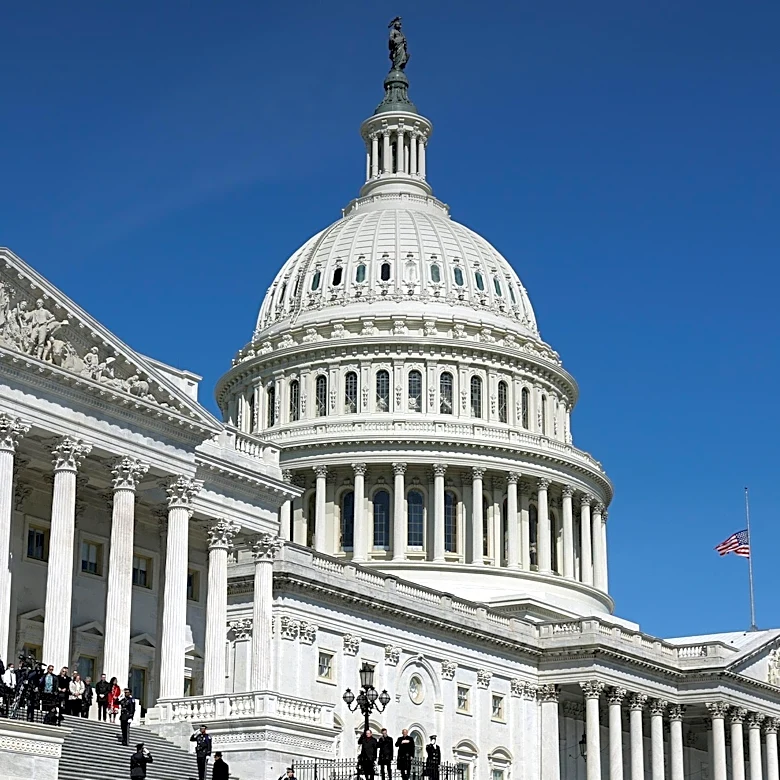
Representative Gabe Amo has introduced H.R. 10855, known as the Quantifying Uncertainty and Action to Help Optimize Growth of Shellfish Act of 2026. This proposed legislation aims to create a federal East Coast Bivalve Research Task Force dedicated to studying
shellfish such as clams, oysters, mussels, and scallops, with a specific focus on quahogs, or hard clams. The task force, to be convened by the Secretary of Commerce within 90 days of the bill's enactment, would comprise federal officials, state fish and wildlife representatives, tribal representatives, industry representatives, and academic experts. Its primary responsibilities would include reviewing existing research, identifying reasons for bivalve harvest variability or decline, determining additional research needs for wild harvests and aquaculture, and assessing the economic effects of bivalve populations. The bill also mandates the creation of two work groups: one focused on quahog populations in Rhode Island and across the East Coast, and another on the impacts of climate change on East Coast bivalves.
Why It's Important?
This legislation is significant for the U.S. 'Blue Economy,' particularly in coastal states like Rhode Island, where marine trades and aquaculture are vital. The decline or variability in shellfish populations can have substantial economic repercussions for commercial fisheries, aquaculture businesses, and related industries. By establishing a dedicated research task force, the bill seeks to provide a scientific foundation for sustainable management practices, potentially safeguarding jobs and economic stability in the marine sector. Improved understanding of bivalve health, environmental factors, and effective restoration methods could lead to more resilient ecosystems and a more predictable supply of shellfish, benefiting consumers and the seafood industry. The focus on climate change impacts also highlights the growing recognition of environmental threats to marine resources and the need for proactive adaptation strategies.
What's Next?
If H.R. 10855 progresses through Congress and is enacted, the Secretary of Commerce would be required to convene the East Coast Bivalve Research Task Force within 90 days. The task force would then establish two work groups within 30 days, focusing on quahog populations and climate change impacts on bivalves. These work groups would report their findings to the task force within two years. The task force itself would issue an interim progress report within one year and a final report within two years, which would be submitted to Congress and relevant federal agencies and made public. These reports are expected to include recommendations for future scientific research and management strategies. The bill authorizes necessary funding without specifying a dollar amount, indicating that the financial commitment would be determined later.
Beyond the Headlines
The establishment of such a task force underscores a broader shift towards integrating scientific research and ecological considerations into economic policy, particularly concerning natural resources. It reflects a growing awareness of the interconnectedness between environmental health and economic prosperity in coastal communities. Beyond the direct economic benefits to the shellfish industry, a healthier bivalve population can contribute to improved water quality and ecosystem stability, as shellfish are natural filter feeders. This initiative could also serve as a model for addressing similar challenges in other marine ecosystems, promoting a more holistic approach to resource management. The emphasis on collaboration among federal, state, tribal, industry, and academic stakeholders highlights a trend towards multi-faceted solutions for complex environmental and economic issues.