







What's Happening?
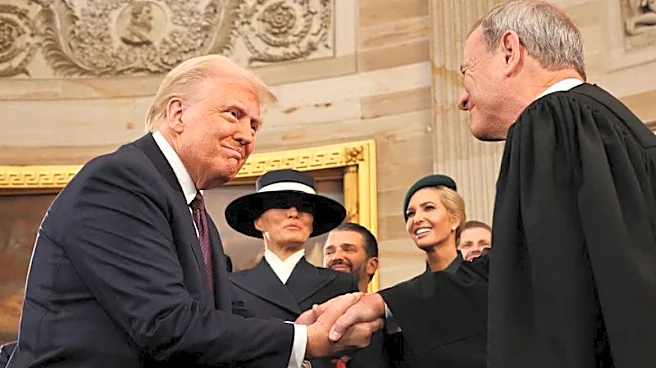
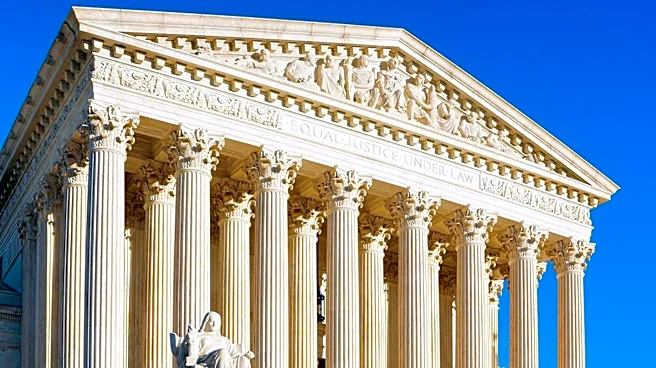
The U.S. Supreme Court concluded a term marked by significant ideological divisions, with key rulings impacting President Trump's agenda. The conservative majority overturned several longstanding precedents, affecting presidential power and election laws.
Notable decisions included allowing the president to dismiss heads of independent agencies and altering the framework for electoral map challenges. The term also saw increased use of the 'shadow docket' for emergency decisions, often favoring the Trump administration. Justice Elena Kagan issued her first lone dissent, highlighting internal court tensions.
Why It's Important?
The Supreme Court's decisions this term have profound implications for the balance of power between the executive branch and independent agencies. By overturning precedents, the court has reshaped the legal landscape, potentially expanding presidential authority. The ideological divide within the court reflects broader political polarization, influencing public trust in the judiciary. The increased use of the shadow docket raises concerns about transparency and the court's role in rapidly evolving legal contexts. These developments could have lasting effects on U.S. governance and the interpretation of constitutional powers.
What's Next?
The court's decisions will likely prompt legislative and executive responses as stakeholders adjust to the new legal environment. Future cases may further test the boundaries of executive power and the court's willingness to revisit established precedents. The ideological divide suggests continued contentious rulings, with potential implications for upcoming elections and policy debates. Observers will be watching for how these legal shifts influence the broader political landscape and the court's role in shaping U.S. law.