





What's Happening?
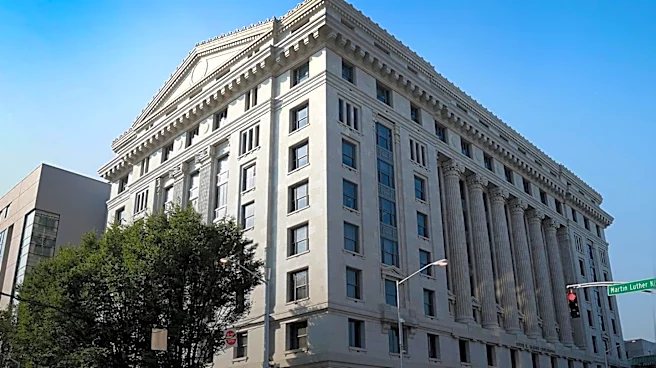
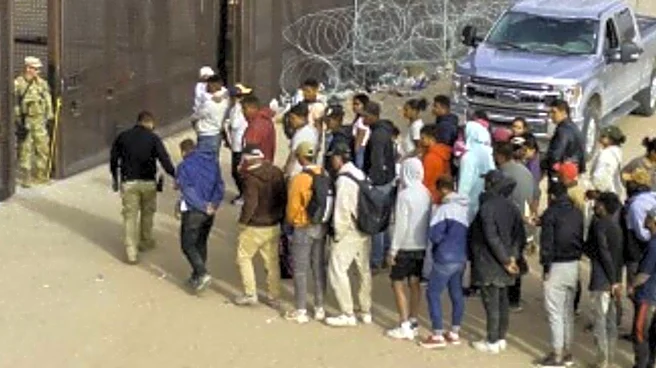
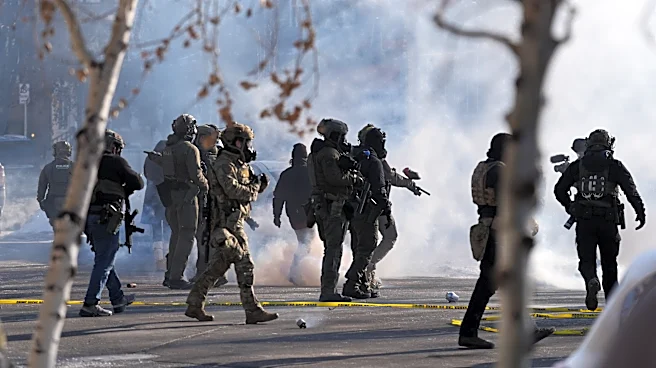
A federal judge in Minnesota has blocked an attempt by the Trump administration to subpoena Democratic Governor Tim Walz and other top state officials. The subpoenas were part of an immigration inquiry linked to the Operation Metro Surge enforcement effort.
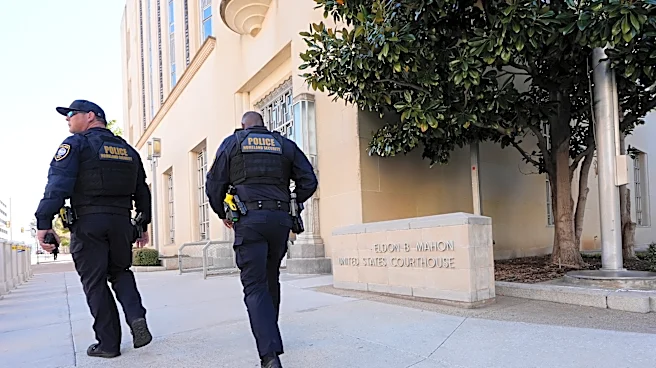
U.S. District Judge Patrick Schiltz ruled that the subpoenas were issued to harass political opponents rather than conduct a legitimate investigation. The subpoenas targeted a broad range of Minnesota's political leadership, including the governor, attorney general, and mayors of Minneapolis and St. Paul. Judge Schiltz criticized the subpoenas as being overly broad and targeting constitutionally protected conduct. The ruling was unsealed on Monday, highlighting the administration's aggressive immigration crackdown in Minnesota, which had already faced local backlash.
Why It's Important?
This ruling underscores the ongoing tensions between federal and state authorities over immigration enforcement. The decision is significant as it highlights judicial checks on executive power, particularly concerning the use of subpoenas for political purposes. The ruling may embolden other states and local governments to resist federal immigration policies they view as overreaching. It also reflects broader national debates about the balance of power between state and federal governments, especially in politically charged contexts. The decision could impact future federal enforcement strategies and the administration's approach to dealing with political opposition.
What's Next?
Following the ruling, it is likely that the Trump administration will reassess its legal strategies in pursuing immigration enforcement actions against state officials. The decision may prompt further legal challenges from other states facing similar federal actions. Political leaders in Minnesota and other states may use this ruling to bolster their positions against federal immigration policies. Additionally, the ruling could influence upcoming elections by highlighting issues of federal overreach and state sovereignty, potentially affecting voter sentiment and campaign strategies.