





What's Happening?
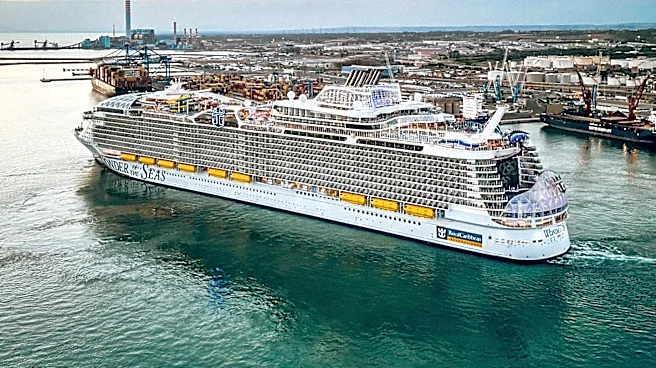
The U.S. Coast Guard has launched a criminal investigation into the MSC Poesia cruise ship for allegedly discharging oil illegally at sea using a 'magic pipe.' The vessel was detained at the Port of Miami earlier this month after the Coast Guard identified
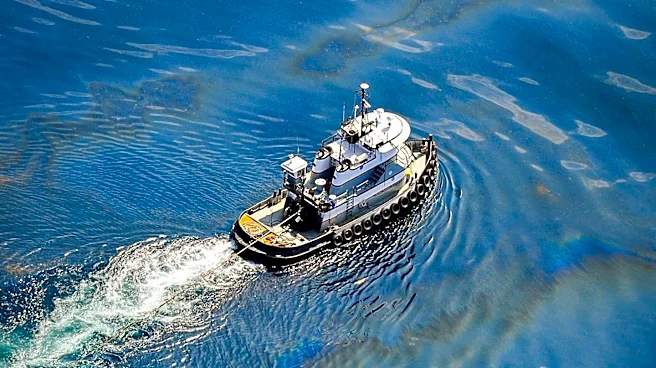
'deficiencies with systems on board.' A 'magic pipe' is an unauthorized bypass hose or pipe used to surreptitiously dump untreated oil-contaminated bilge waste directly into the ocean, circumventing required pollution-control gear like Oily Water Separators (OWS) and oil-content monitors. This practice also involves falsifying mandatory oil record books to conceal illegal discharges. MSC Cruises initially described the issue as a 'regulatory matter' and has not publicly admitted to the use of such a device. The MSC Poesia operated in Alaskan waters from May to September of this year.
Why It's Important?
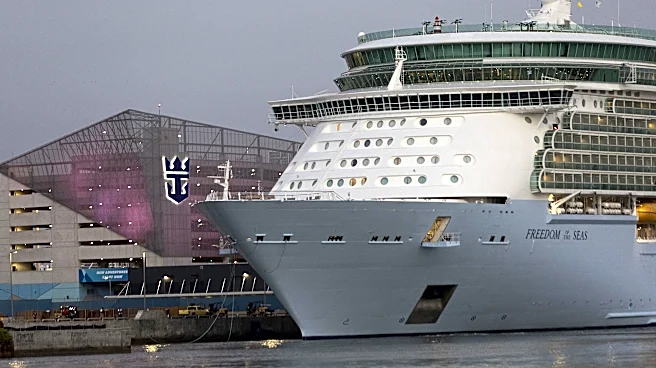
This investigation is significant as it highlights ongoing environmental concerns within the cruise industry and the potential for severe legal repercussions under U.S. law. The alleged use of a 'magic pipe' represents a deliberate act of environmental pollution, bypassing international MARPOL treaties designed to protect marine ecosystems. If proven, this could lead to criminal charges against MSC crew members, the shipowner, and other involved individuals, potentially resulting in substantial fines and damage to the company's reputation. Previous cases involving other major cruise lines, such as Royal Caribbean and Princess Cruises, have resulted in multi-million dollar fines and criminal sanctions, demonstrating the U.S. Department of Justice's commitment to prosecuting such offenses. The incident also raises questions about corporate transparency and accountability, especially given MSC's past environmental controversies and lack of responsiveness to previous allegations of illegal dumping.
What's Next?
The U.S. Coast Guard's criminal investigation will continue, with potential involvement from the Department of Justice. The outcome could include formal charges against MSC Cruises and its personnel, leading to court proceedings and potentially significant penalties. MSC will likely face pressure to cooperate fully with authorities and address the alleged deficiencies in its environmental compliance systems. This incident may also prompt increased scrutiny and inspections of cruise ships operating in U.S. waters, particularly those with a history of environmental violations. The broader cruise industry might also review its environmental policies and enforcement mechanisms to avoid similar incidents and maintain public trust. The case will determine whether MSC follows the path of other cruise lines that have faced severe penalties for similar environmental crimes.
Beyond the Headlines
The 'magic pipe' scandal transcends a single incident, pointing to a persistent challenge within the maritime industry: the economic incentive to bypass environmental regulations. Maintaining and operating OWS systems and properly disposing of waste can be costly, leading some operators to resort to illegal dumping. This raises ethical questions about corporate responsibility versus profit motives. The repeated nature of such offenses across various cruise lines, as detailed in the source, suggests a systemic issue that may require more stringent oversight, harsher penalties, and a cultural shift within the industry. The environmental impact of such discharges, particularly in sensitive areas like Alaskan waters, can be long-lasting, affecting marine life and coastal communities. This case serves as a stark reminder of the ongoing battle between environmental protection and industrial practices, and the critical role of regulatory bodies like the U.S. Coast Guard in enforcing compliance.