






What's Happening?
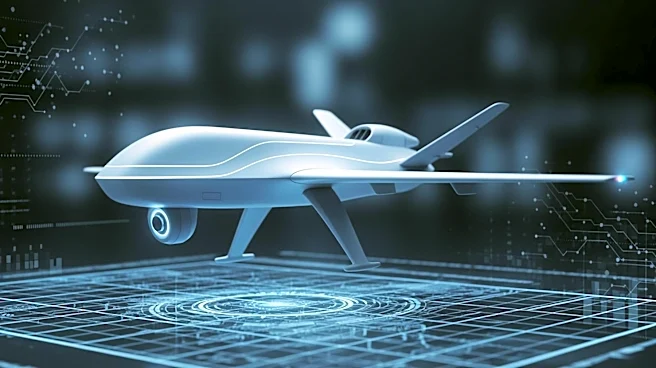
Vice President JD Vance delivered a commencement address to the graduating class of the U.S. Air Force Academy, emphasizing the rapid evolution of warfare due to advancements in artificial intelligence. Speaking to over 900 new officers in the Air and
Space Forces, Vance highlighted the challenges posed by new technologies that are outpacing traditional military adaptations. The class of 2026, noted for its high academic and physical achievements, is entering service at a time of significant geopolitical shifts. Vance underscored the importance of maintaining human oversight in military decisions, despite the increasing role of AI in warfare. The ceremony, held at Falcon Stadium in Colorado Springs, also celebrated the commissioning of 94 cadets into the U.S. Space Force, a branch expected to grow significantly in the coming years.
Why It's Important?
The Vice President's address underscores the critical role of the U.S. Air and Space Forces in adapting to new technological challenges in warfare. As AI continues to transform military operations, the emphasis on human oversight reflects ongoing ethical considerations in defense strategies. The graduates are entering a military landscape where rapid technological advancements could redefine traditional roles and responsibilities. This shift has implications for national security, as the U.S. seeks to maintain its strategic advantage against adversaries developing autonomous technologies. The focus on AI also highlights the need for continued investment in technology and training to prepare military personnel for future conflicts.
What's Next?
The newly commissioned officers will begin their roles in the Air and Space Forces in two months, with some taking on positions that were unimaginable two decades ago. The U.S. military will continue to integrate AI into its operations, necessitating ongoing training and adaptation for service members. The growth of the Space Force, in particular, will require strategic planning to address emerging threats in space and ensure the U.S. maintains its leadership in this domain. As these officers take on their new responsibilities, they will be at the forefront of implementing and shaping the future of military technology.