



What's Happening?
The Hawaii Department of Health has detected mpox in a wastewater sample from Oahu, marking the first such detection in the area. The sample, collected at a treatment facility on Joint Base Pearl Harbor-Hickam, tested positive for clade I mpox. While
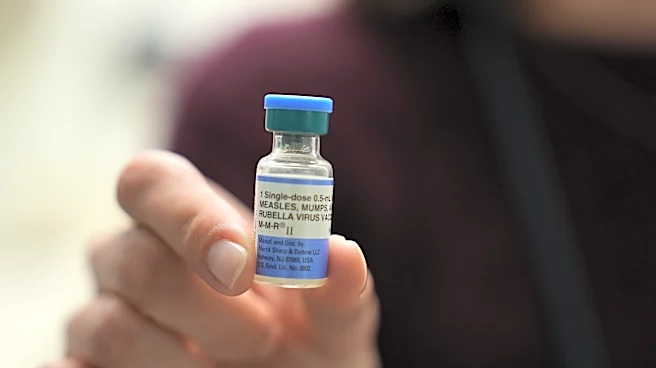
no clinical cases have been identified, the detection serves as an early indicator for potential infections. Health officials emphasize that the overall risk to the public remains low, but they continue to monitor major wastewater facilities across Oahu. People at higher risk are encouraged to consider vaccination if they have not received two doses of the JYNNEOS vaccine.
Why It's Important?
The detection of mpox in wastewater highlights the importance of environmental monitoring as a tool for early detection of potential public health threats. This proactive approach allows health officials to identify and respond to emerging infections before they become widespread. The situation underscores the need for continued vigilance and public health preparedness, particularly in areas with potential exposure risks. It also emphasizes the role of vaccination in preventing the spread of infectious diseases.
What's Next?
Health officials will likely continue to monitor wastewater samples and may increase public health messaging to encourage vaccination and preventive measures. If further detections occur, there may be increased efforts to identify and isolate potential cases to prevent community spread. Public health agencies may also collaborate with local healthcare providers to ensure readiness in case of an outbreak. Ongoing communication with the public will be crucial to maintain awareness and preparedness.