



What's Happening?
Iran's use of drones, particularly the Shahed-139, poses a significant threat to US military assets in the Middle East. Recent incidents, including the launch of a drone towards the USS Abraham Lincoln, highlight Tehran's strategy of using drones as a form
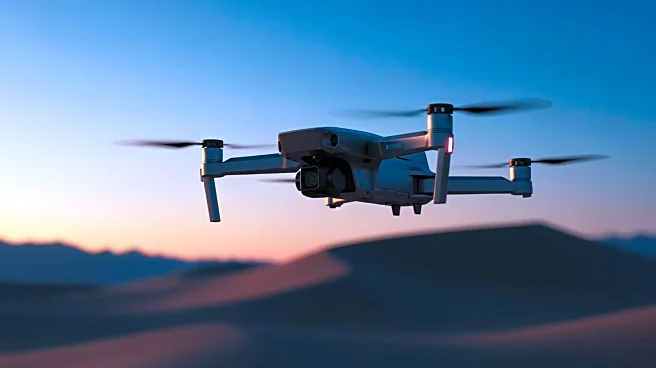
of asymmetric warfare. These drones, often referred to as 'kamikaze drones,' are designed to overwhelm defense systems by functioning as low-cost cruise missiles. The Iranian regime's tactics are seen as a test of US resolve, with experts warning of the potential for swarm attacks that could challenge US and Israeli defenses.
Why It's Important?
The increasing sophistication and deployment of Iranian drones represent a growing challenge for US military strategy in the region. These drones can potentially disrupt naval operations and threaten key military assets, complicating US efforts to maintain security and stability in the Persian Gulf. The situation also underscores the broader strategic competition between the US and Iran, with implications for regional allies such as Israel. The ability of Iran to project power through drone technology could embolden its regional proxies and escalate tensions further.
What's Next?
The US may need to enhance its defensive capabilities and develop new strategies to counter the drone threat. This could involve increased cooperation with regional allies and the deployment of advanced missile defense systems. Additionally, diplomatic efforts to address Iran's drone program could become a focal point in broader negotiations over Iran's military activities and nuclear ambitions. The outcome of these efforts will likely influence the future stability of the region and the balance of power in the Middle East.