






What's Happening?
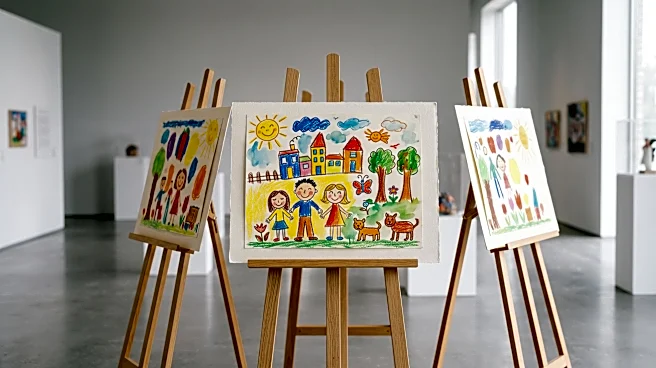
An itinerant exhibition titled 'HeART of Gaza' is currently being hosted in Mapello. This exhibition showcases drawings created by children residing in the Gaza Strip. The artworks are a product of the 'Artists' Tents' project, which establishes creative
workshops designed to provide children with spaces to reconnect with their childhood, foster friendships, and express their inner worlds through art. The initiative aims to offer a creative outlet and a sense of normalcy for children living in challenging circumstances within Gaza.
Why It's Important?
This exhibition is important as it provides a unique and poignant perspective on the lives of children in the Gaza Strip, offering a humanizing glimpse into their experiences through their own artistic expressions. For audiences, particularly in the U.S., it serves as a cultural bridge, fostering empathy and understanding of the humanitarian situation in Gaza beyond political narratives. The 'Artists' Tents' project itself highlights the critical role of art and creative outlets in supporting the psychological well-being and development of children in conflict zones. It underscores the universal need for childhood and self-expression, even amidst adversity, and can inspire broader discussions on humanitarian aid and cultural exchange.
What's Next?
The 'HeART of Gaza' exhibition is an itinerant display, suggesting it will continue to travel to various locations, potentially reaching a wider audience. The ongoing nature of the 'Artists' Tents' project indicates a continued effort to provide creative support for children in Gaza. Future iterations of the exhibition or similar initiatives could further amplify the voices of these children and maintain public awareness of their circumstances. The success of such cultural projects may also encourage other organizations to implement similar art-based therapeutic and expressive programs in regions affected by conflict.
Beyond the Headlines
Beyond simply showcasing art, the 'HeART of Gaza' exhibition delves into the ethical and cultural dimensions of childhood resilience in conflict zones. It implicitly raises questions about the long-term psychological impact of living in such environments and the role of creative expression as a coping mechanism. The project underscores the universal language of art, allowing children to communicate experiences that might otherwise be inexpressible. Culturally, it challenges preconceived notions about regions often defined by conflict, presenting a narrative of hope, creativity, and the enduring spirit of its youngest inhabitants. This initiative highlights the profound importance of nurturing childhood and artistic freedom, even in the most challenging global contexts.