
What's Happening?
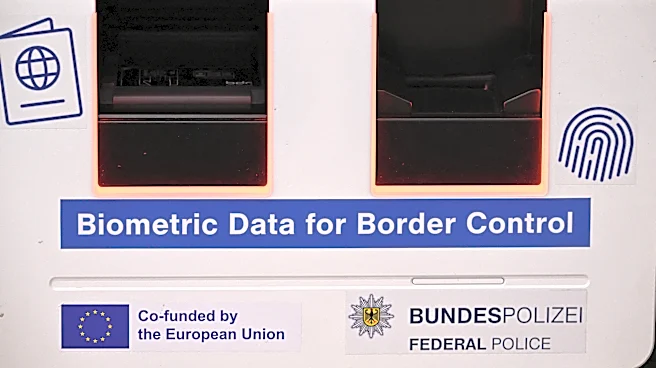
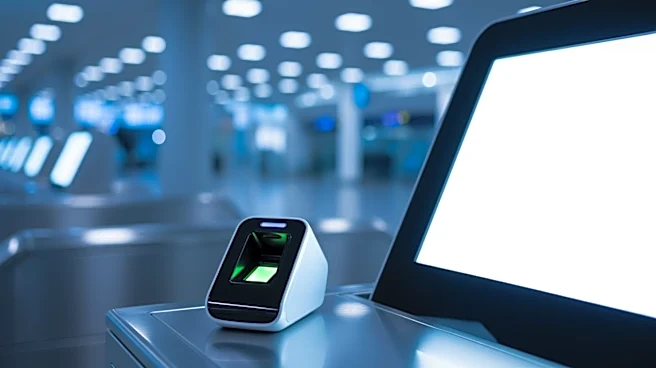
The European Union has fully implemented the biometric Entry/Exit System (EES) at all border crossings in the Schengen Area as of April 10, 2026. This system, which replaces manual passport stamps with
face and fingerprint scans, aims to streamline and secure border crossings for non-EU nationals on short stays. However, the transition has led to significant delays at airport customs lines, with reports of waits up to six hours at popular destinations like Italy, Portugal, and Spain. Some travelers have missed connections due to these delays, and there have been issues with biometric kiosks not operating or being out of service. The World Travel & Tourism Council (WTTC) has highlighted these 'teething problems' and warned that persistent delays could deter travelers from visiting Europe.
Why It's Important?
The implementation of the EES is significant as it represents a major shift in how border security is managed in Europe, potentially setting a precedent for other regions. The delays and operational issues could have substantial economic impacts, with the WTTC estimating a potential loss of up to 41 million visitor arrivals and $45.4 billion in visitor spending if delays persist. This situation underscores the challenges of integrating new technologies into existing systems and the importance of effective communication and operational readiness. The outcome of this transition could influence future decisions on border security and the adoption of biometric systems globally.
What's Next?
To address the current challenges, the WTTC suggests greater use of digital pre-registration tools, improved traveler communications, and ensuring operational readiness at border crossing points. The European Commission and border authorities will need to collaborate with the travel and tourism sector to smooth the implementation process. The success of these efforts will be crucial in determining whether the EES can deliver the seamless experience travelers expect and whether it can avoid long-term negative impacts on tourism.