

What's Happening?
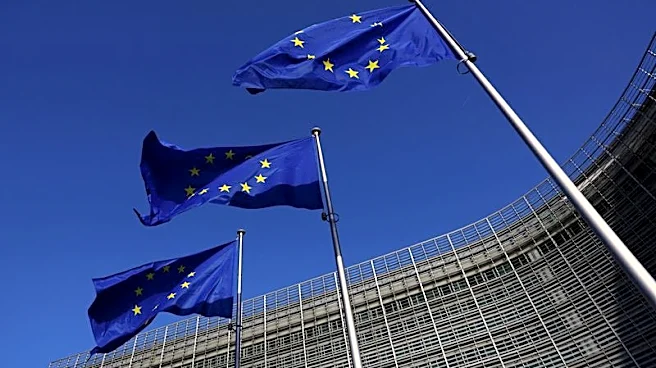
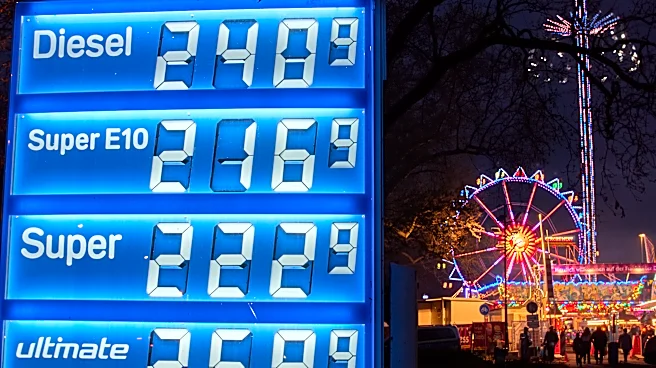
Finance ministers from Spain, Germany, Italy, Portugal, and Austria are urging the European Union to impose a windfall tax on energy companies benefiting from the Iran conflict. The war has driven up oil and gas prices, placing a significant burden on European economies
and citizens. The proposed tax aims to distribute the financial burden fairly and provide relief to consumers facing rising costs. The ministers' call for action highlights the need for a coordinated EU response to market distortions caused by the conflict.
Why It's Important?
The proposed windfall tax reflects growing concerns about the impact of geopolitical conflicts on energy markets and inflation. Europe's reliance on imported oil and gas makes it vulnerable to external shocks, as seen during the Ukraine crisis. By taxing excess profits, the EU aims to mitigate the economic strain on households and ensure a fair distribution of costs. This initiative underscores the importance of energy policy in maintaining economic stability and addressing social inequalities.
What's Next?
The European Commission is expected to consider the proposal for a windfall tax as part of its broader strategy to address energy market disruptions. The outcome will depend on negotiations among EU member states and the Commission's assessment of the proposal's feasibility. If implemented, the tax could set a precedent for future responses to energy market volatility and geopolitical conflicts, influencing global energy policies and economic strategies.
Beyond the Headlines
The proposal raises questions about the balance between market regulation and free enterprise. It highlights the ethical considerations of profiting from crises and the role of government intervention in ensuring economic justice. As the EU navigates these challenges, the debate over energy policy and market regulation will continue to shape the region's economic and political landscape.