





What's Happening?
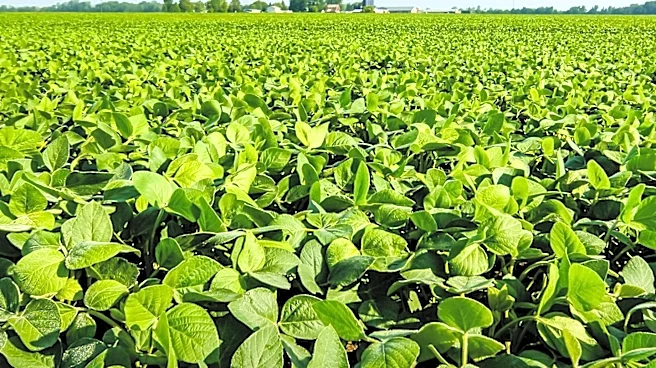
According to Farm Progress, soybean yields are more significantly influenced by the total number of pods per plant rather than the number of seeds within each pod. Steve Gauck, regional agronomy manager for Beck’s, emphasizes that while finding four-
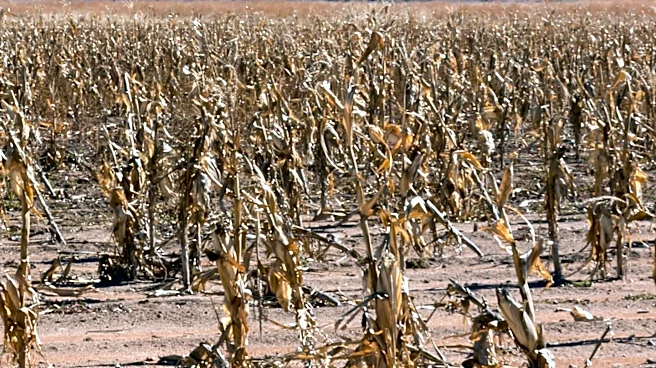
or five-seeded pods might seem like a good sign, these are rare and not a reliable indicator of high yields. Instead, farmers should focus on plants that are densely packed with pods, even if most contain only two or three seeds. Early-planted soybeans, particularly those planted in April, are showing promising yield potential due to mild frost damage that promoted branching and bushier plants, leading to a higher pod load. Conversely, late-planted soybeans or those affected by dry spells in July may have struggled with pod numbers or aborted flowers.
Why It's Important?
This insight is crucial for U.S. soybean farmers, as it refines their understanding of yield optimization and management strategies. By shifting focus from individual seed count to overall pod load, farmers can make more informed decisions regarding planting times, variety selection, and crop management practices. This knowledge can lead to more efficient resource allocation, potentially reducing unnecessary inputs aimed at maximizing seed-per-pod count, and instead prioritizing factors that promote overall pod development. Understanding these dynamics can help farmers mitigate risks associated with adverse weather conditions, such as dry spells, and adapt their strategies to achieve higher and more consistent yields, ultimately impacting the profitability of soybean farming and the stability of the agricultural sector.
What's Next?
Farmers are advised to continue diligent scouting up until harvest to protect yields from late-season issues like phytophthora and stinkbugs. If timely rains continue throughout the remainder of the season, the current soybean crop is expected to maintain its promising yield potential. Agronomists will likely continue to study the impact of planting dates and environmental factors on pod development to provide more precise recommendations. Research into soybean genetics may also focus on developing varieties that consistently produce a high number of pods, even under varying conditions. The agricultural industry will likely see an increased emphasis on data-driven farming practices that leverage such insights to optimize crop management and maximize returns.
Beyond the Headlines
The nuanced understanding of soybean yield drivers reflects the increasing sophistication of agricultural science and its direct impact on food production. This focus on pod count over seed count highlights the complexity of plant physiology and the need for continuous research to adapt farming practices to environmental changes. It also underscores the economic pressures on farmers to maximize efficiency and yield in a competitive global market. The long-term implications include the potential for more sustainable farming practices that optimize resource use and reduce waste, contributing to broader food security goals. This scientific approach to agriculture is essential for feeding a growing population while minimizing environmental impact.